When the power goes out, most homeowners are not thinking in product-category terms. They are thinking in household terms. They’re wondering exactly what a home generator can power during an electrical outage.
Can I keep the refrigerator cold?
Can I run the heat?
Can I keep one room cool?
Can I open the garage?
Can I take a shower without turning the whole house into an electrical hostage situation?
That is why the portable generator versus standby generator question matters so much. On paper, both are backup power solutions. In real life, they solve very different problems.
A portable generator is usually about keeping essentials running through an outage with some planning, some compromise, and a little manual work. A standby generator is about restoring a far more normal version of home life automatically, with much less decision-making in the moment.
Neither option is foolish. Neither option is automatically right for every house. The better choice depends on what kind of outage experience you are trying to create, what loads your house depends on, and how much inconvenience you are willing to tolerate when utility power disappears.
This guide breaks down the real-world difference between portable and standby generators, including how they work, what they can realistically do, where each one makes sense, and why many homeowners start with one and eventually move to the other.
The Basic Difference in Plain English
The easiest way to think about it is this:
- A portable generator helps you get through an outage.
- A standby generator helps your house keep functioning like the outage barely happened.
That may sound a little dramatic, but it holds up once you have spent time around both setups.
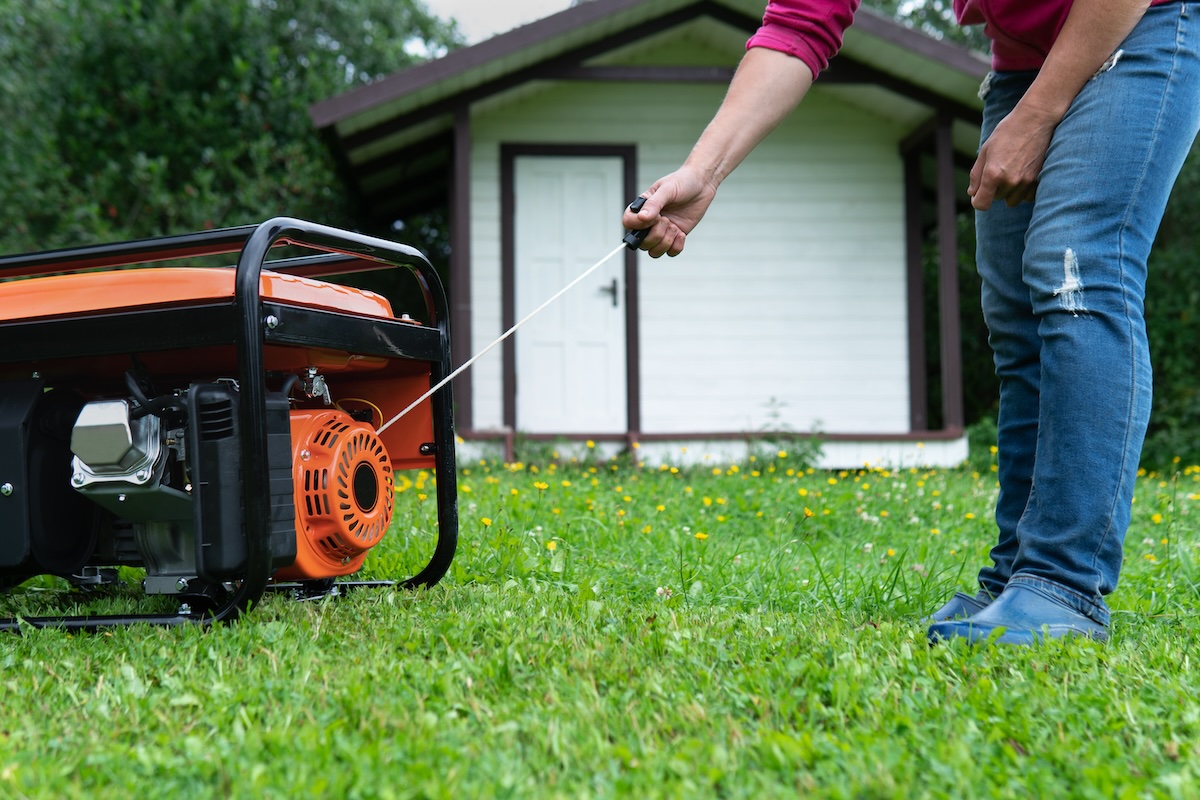
A portable generator usually lives in a garage, shed, or storage area until it is needed. When the power goes out, you roll it out, fuel it, start it, connect it properly, and decide what it can handle. That process can work very well, especially for homeowners who have a realistic outage plan and understand their priorities.
A standby generator is permanently installed outside the home, usually on a pad, and tied into the electrical system through an automatic transfer switch. When utility power fails, the standby system detects the outage, starts the generator, and switches the home over automatically. There is no hauling, no extension-cord improvisation, and no last-minute watt-counting session in the dark.
That difference shapes everything else.
What a Portable Generator Is Good At
Portable generators are popular for a reason. They can deliver a lot of value for the money, especially when the goal is not “run everything,” but “keep the house livable.”
A properly sized portable generator can often handle the circuits people care about most during a short or moderate outage. That may include a refrigerator, a freezer, a few lights, internet equipment, some outlets, a gas-furnace blower, and maybe a microwave or small window A/C used carefully.
That is a very respectable list. For many households, getting those basics back online changes the mood of an outage completely. Food stays safe. Phones stay charged. You can see what you are doing. The house feels disrupted, but not defeated.
Compared with a standby system, the upfront investment is much lower. That lower entry point makes portable backup power far more accessible, especially for homeowners who want some capability without committing to a full, permanent backup power system installed.
Where Portable Generators Start to Feel Limited
Portable generators begin to feel less impressive the moment the conversation shifts from essentials to full-house expectations.
This is where a lot of disappointment begins. Not because portable generators are bad, but because people expect them to do the work of a different class of machine.
The first major limit is wattage. Portable generators can power a lot, but not everything at once. The second major limit is voltage. Many of the most demanding household loads are 240-volt loads, and those change the game fast. The third limit is startup surge. Motors do not politely ask for power. They lunge for it.
That is why homeowners so often run into trouble with central air conditioning, electric water heaters, electric dryers, electric ovens, larger well pumps, pool equipment, and similar loads. A generator may look substantial sitting in the garage, but these appliances do not care how substantial it looks. They care what it can deliver at startup and under sustained load.
Then there is the human side of the experience. Portable generators ask more of the homeowner during an outage.
- You need to move them into position safely.
- You need fuel on hand.
- You need to start them.
- You need to manage extensions cords throughout the house, or use a proper transfer setup (which costs money to install on its own).
- You need to think about what is on and what needs to stay off.
- You need to keep an eye on runtime and refueling.
That is not a moral failure. It is simply the deal. Portable generators offer backup power, but they also ask you to participate in the power-management process.
What a Standby Generator Is Designed to Do
A standby generator exists for people who are tired of that process.
Instead of being an outage tool you deploy manually, it becomes part of the house. It is installed outside, connected to a fuel source such as natural gas or propane, and tied into the electrical system with an automatic transfer switch. When the utility fails, the system responds on its own.
That one difference creates a much more settled outage experience.
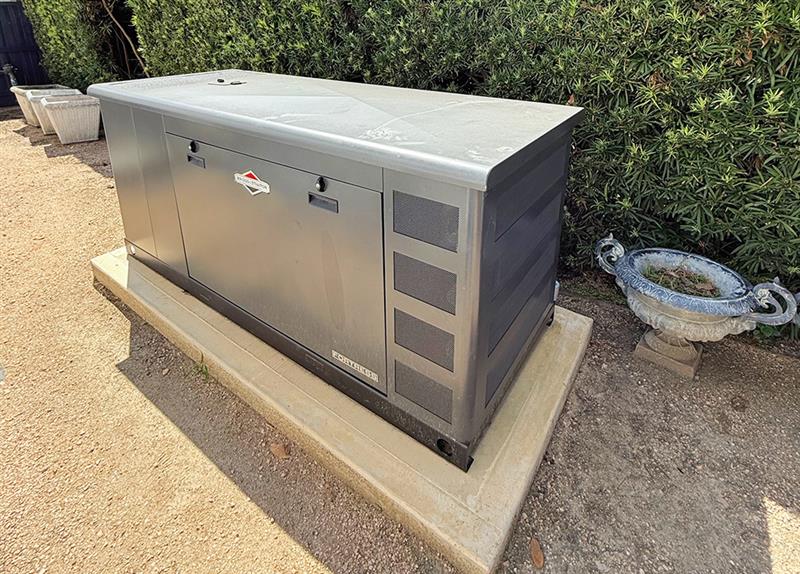
A standby generator is built for homeowners who do not want to roll a machine out of storage, wonder if they have enough fuel, or choose between the refrigerator and the bedroom window unit. It is built for households that want steady, immediate backup power with far less improvisation.
This is also where larger household loads come back into the conversation. A properly sized whole home generator can often support central A/C, larger 240-volt appliances, well pumps, sump pumps, and other heavy electrical demands that are usually impractical for portable setups.
Just as important, many standby systems are designed with load management in mind. That means the system can control or sequence certain circuits intelligently instead of forcing the homeowner to play amateur utility operator every time something tries to start.
That is a big shift. You stop thinking so much about individual appliances and start thinking more in terms of the home remaining functional.
Portable Generator vs. Standby Generator: The Lifestyle Difference
A lot of comparison articles talk only about technical specs, as though homeowners spend power outages sitting cross-legged on the floor admiring amperage charts.
That is not how this decision feels in real life.
In real life, the difference is about friction.
A portable generator introduces more friction into the outage experience. You still get relief, but there are steps, limitations, and little negotiations with reality. You decide what gets power. You manage the timing of loads. You budget electricity the same way people budget anything scarce: carefully, a little nervously, and with full awareness that one bad choice can throw off the whole arrangement.

A standby generator removes much of that friction. The outage still exists, but the house behaves far more normally. Cooling, heating, refrigeration, lighting, and other major systems can stay available in a way that feels much closer to regular life.
That difference matters more than some homeowners expect. After enough outages, inconvenience stops feeling minor. It starts feeling cumulative. The setup that once seemed perfectly acceptable begins to feel like a workaround.
That is why many people who start with a portable generator end up upgrading to a whole home generator. The portable unit taught them what mattered. The standby system solved the parts they got tired of managing.
Cost: Why the Cheaper Option Is Not Always the Better Fit
Portable generators almost always win the initial price comparison. That matters. A homeowner’s budget is real. There is no sense pretending otherwise.
A portable unit can be a smart move for homeowners who want strong value and can live comfortably within the limits of essential-circuit backup. If the goal is keeping food cold, an extra room or two usable, and a few specific things in the house functional enough to ride out a storm, portable power may sufficient.
Standby generators cost much more because they are not just appliances. They are installed systems. You are paying for equipment, automatic transfer capability, permanent connection to the home, and the kind of infrastructure that changes how the house behaves during a power failure.
So the real question is not just “Which one costs less?”
It is “Which kind of outage experience am I paying for?”
If you rarely lose power, have modest needs, and do not mind some manual setup, the lower-cost portable route can make excellent sense.
If outages are frequent, severe, lengthy, or especially disruptive for your household, the price of standby power starts to look less like extravagance and more like buying your way out of repeated stress.
Fuel Supply: One of the Most Overlooked Differences
Fuel is one of those topics homeowners tend to think about right up until the generator starts and then not again until things get annoying.
Portable generators usually rely on gasoline, propane, or sometimes dual-fuel flexibility. That can be very useful, but it also means you need to think ahead. Fuel has to be stored safely, kept available, rotated when appropriate, and replenished after longer outages.
That is manageable, but it adds another layer of logistics during storm prep and recovery.
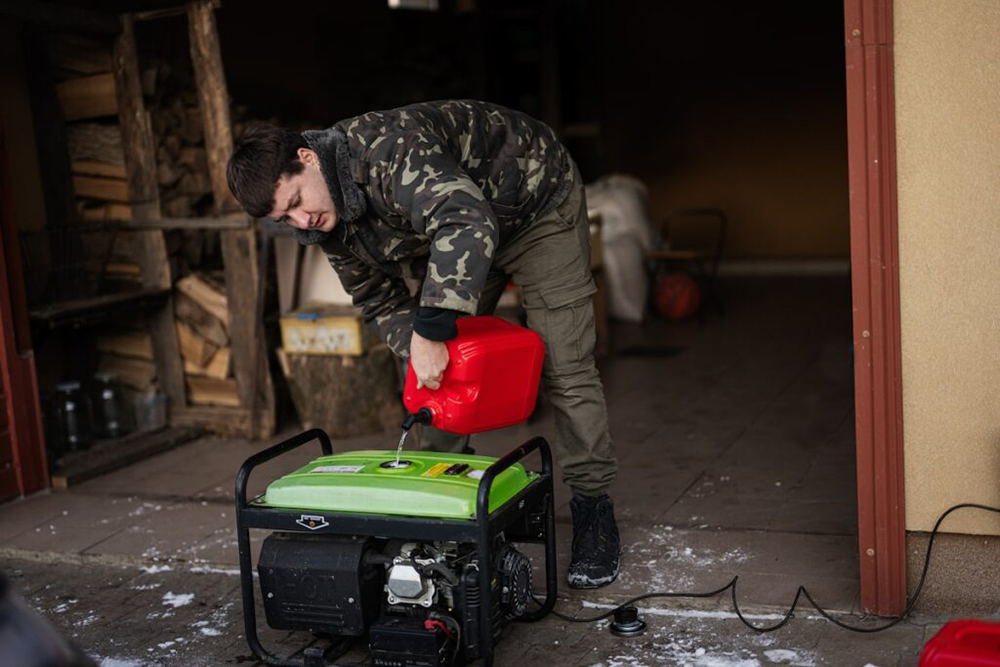
Unlike the portable kind (type pictured above), whole home standby generators are typically connected to a long-term fuel source, often natural gas or a dedicated propane supply. That arrangement changes the psychology of backup power immediately. You are not thinking about spare cans, refueling intervals, or whether the station down the road still has fuel after the storm rolled through.
For many homeowners, that alone is a huge part of the appeal.
Convenience: The Category Where Standby Systems Pull Ahead Fast
Portable generators can absolutely be worth owning. They can save food, preserve comfort, keep critical equipment running, and prevent an outage from becoming a complete mess.
But they are rarely convenient in the true sense of the word.
They require action at exactly the time when the weather may be bad, the power is already out, the garage feels like a cave, and everybody in the house is suddenly asking practical questions all at once.
Standby systems are built to eliminate that scramble. That is the whole pitch. The outage happens, the system reacts, and power is restored without a whole domestic production involving flashlights, fuel cans, and the sort of household bargaining session that makes everyone briefly sound like a wartime utility board.
If convenience is high on your list, standby wins decisively.
FAQ
Q: Which One Is Better for Running Air Conditioning?
This is one of the biggest real-world dividing lines.
Portable generators can sometimes run a window unit, a portable A/C, or another small targeted cooling setup. That can be a very effective strategy. One cooled room during a hot-weather outage can make the house far more bearable.
What portable generators usually do not do well is run full central air without very specific equipment sizing and planning. Even when a portable generator can technically output 240 volts, central A/C systems often hit hard at startup and quickly push the setup into territory where expectations and reality stop being on speaking terms.
Standby generators are much better suited for whole-home cooling demands, especially when the system is sized properly and installed with the home’s major electrical loads in mind.
For homeowners in hot-weather regions, this point often carries a lot of weight. The difference between cooling one room and cooling the home is not small.
Q: Which One Is Better for Essential Backup?
Portable generators do very well here.
If your goal is to keep the refrigerator running, preserve frozen food, power a few lights, support communications, handle some receptacle loads, and maybe run the blower for a gas heating system, a portable generator is often the practical winner.
This is especially true for homeowners who are realistic, organized, and not trying to power every convenience load at once. A portable generator paired with a proper transfer switch or interlock can provide a very respectable level of backup for a lot less money than a standby installation.
So if the question is, “Which option is better for basic survival, food protection, and keeping the house functional enough?” portable power deserves real credit.
Q: Which One Is Better for Whole-Home Normalcy?
Standby generators, and it is not especially close.
Hands-off whole house backup power is, naturally, the category “whole home standby generators” were made for. They are not trying to keep a few chosen systems alive through careful rationing. They are trying to preserve a much broader version of normal household life during loss of power from the grid.
That includes not only power availability, but also the absence of disruption. The house keeps behaving like a house, not like a power triage scenario.
That distinction becomes even more important for households with medical needs, home offices, frequent outages, aging family members, or homes where comfort and continuity are not optional luxuries.
Who Should Usually Choose a Portable Generator?
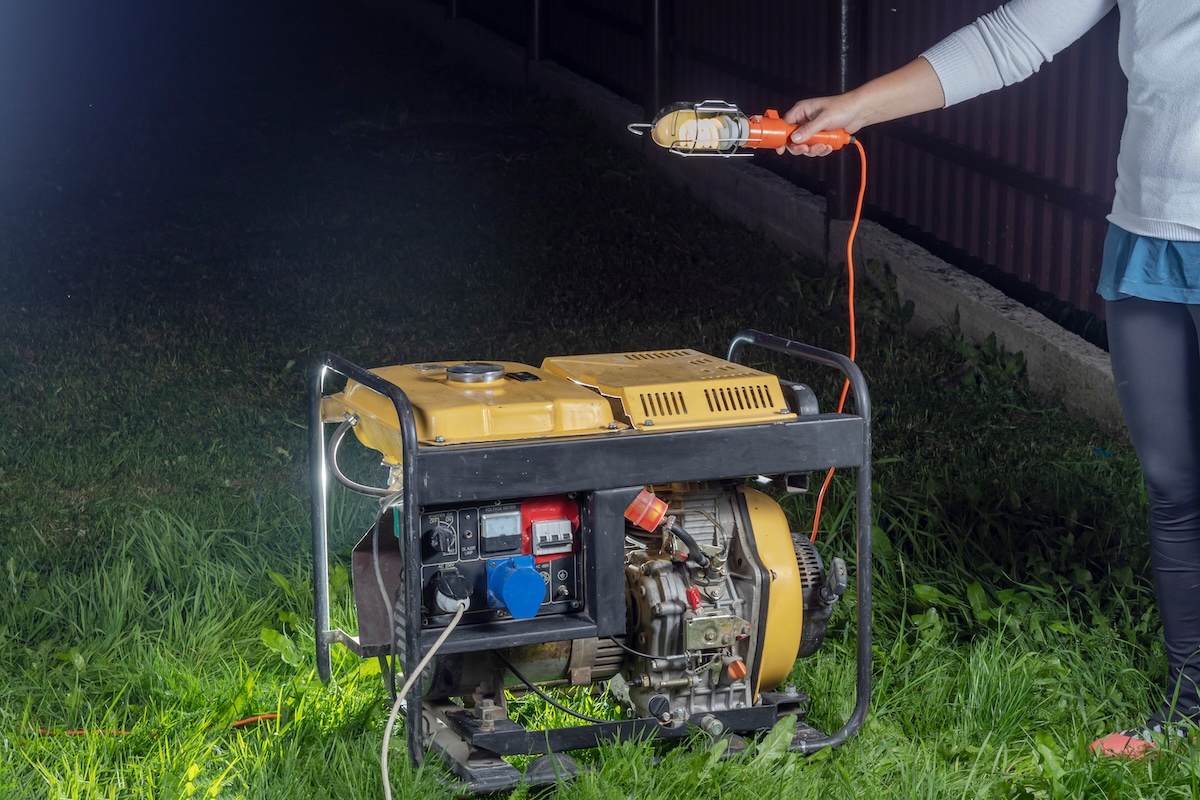
A portable generator is often the better fit for homeowners who:
- Want backup power at a lower upfront cost
- Can live with essential-circuit operation during outages
- Are comfortable handling setup, fueling, and load management
- Do not need to run central A/C or other heavy 240-volt loads
This type of homeowner is choosing a more manual, more budget-conscious form of resilience that can work very well when expectations are realistic.
Who Should Usually Choose a Standby Generator?
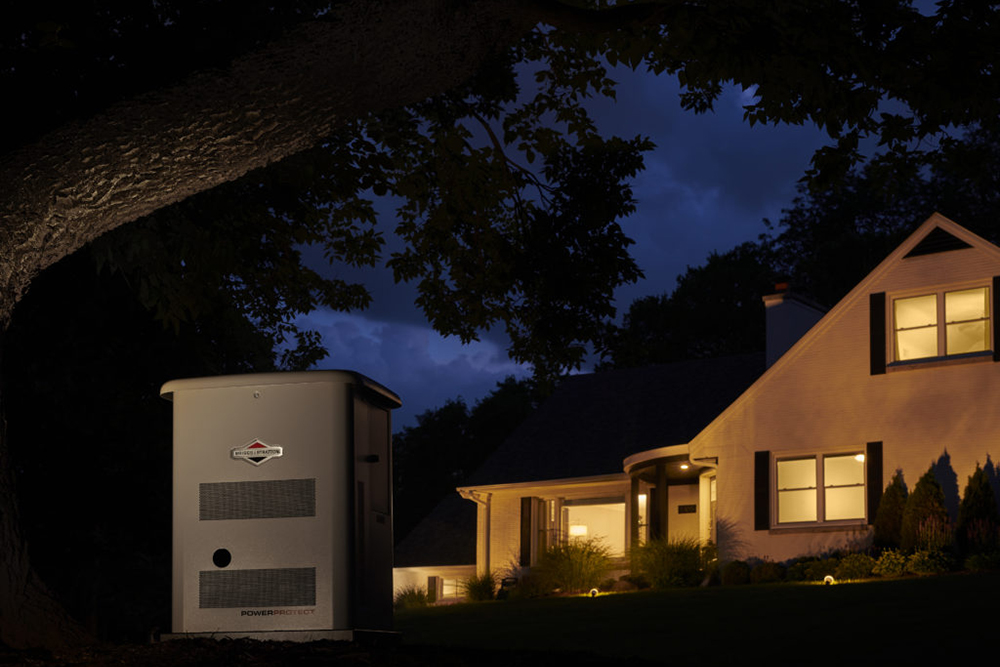
A standby generator is often the better fit for homeowners who:
- Have frequent, lengthy, or severe outages
- Want automatic backup power with minimal manual involvement
- Need broader household (whole home) coverage, not just essentials
- Would like to run central A/C, well pumps, or other larger electrical systems
- Value convenience, consistency, and a more “normal” home experience during outages
This homeowner is paying for permanence, automation, and a much lower-friction experience when the grid fails.
A Good Rule of Thumb
If your backup-power plan sounds like, “We’ll keep the important stuff running and manage the rest,” you are probably thinking in portable-generator terms.
If your backup-power plan sounds like, “We want the house to keep operating with as little disruption as possible,” you are probably thinking in standby-generator terms.
Portable generators help you endure outages with a plan.
Standby generators help you sidestep a lot of the outage experience altogether.
And once you understand which version of home backup power you are trying to buy, the decision gets much easier.

Related Posts

Upgrading your home’s electrical panel is a major decision that comes with real implications for safety, functionality, and long-term value. For homeowners in Houston and Dallas, especially those living in older houses or expanding their [...]
An outdated or undersized electrical panel can quietly undermine your home’s safety, efficiency, and future development. While many homeowners rarely think about their breaker box, it’s the heart of every electrical system. If you’ve been experiencing [...]
The cities of Houston and Dallas–Fort Worth are two of the most dynamic and fast-growing urban centers in the United States. With growing populations, expanding commercial sectors, and continuous development in both residential and infrastructure, the [...]