If you’re interested in EV charger installation Houston, you’re probably not just shopping for a charger. You’re trying to make daily charging easier, faster, and more reliable without turning your home into an electrical guessing game.
And that’s exactly why more Texans are moving away from depending on public stations alone. Home charging means your vehicle is where you need it, when you need it, and the routine is simple: park, plug in, wake up ready to go. CenterPoint’s Houston-area guidance also notes that public charging options are not all the same, and some locations may not offer DC fast charging or enough capacity for multiple vehicles.
Today, let’s look at the whole picture: what type of Houston EV charger installation makes sense, whether your panel can handle it, how Houston permitting works, where the charger should go, what affects cost, and which questions to ask before installation.
Why home charging makes so much sense in Houston
Houston is pretty much built around driving. Whether your week includes a daily commute, school drop-offs, client visits, or long crosstown runs, convenience matters. Home charging removes the extra errand from EV ownership. Instead of planning around charger availability, you charge where the car already sits overnight.
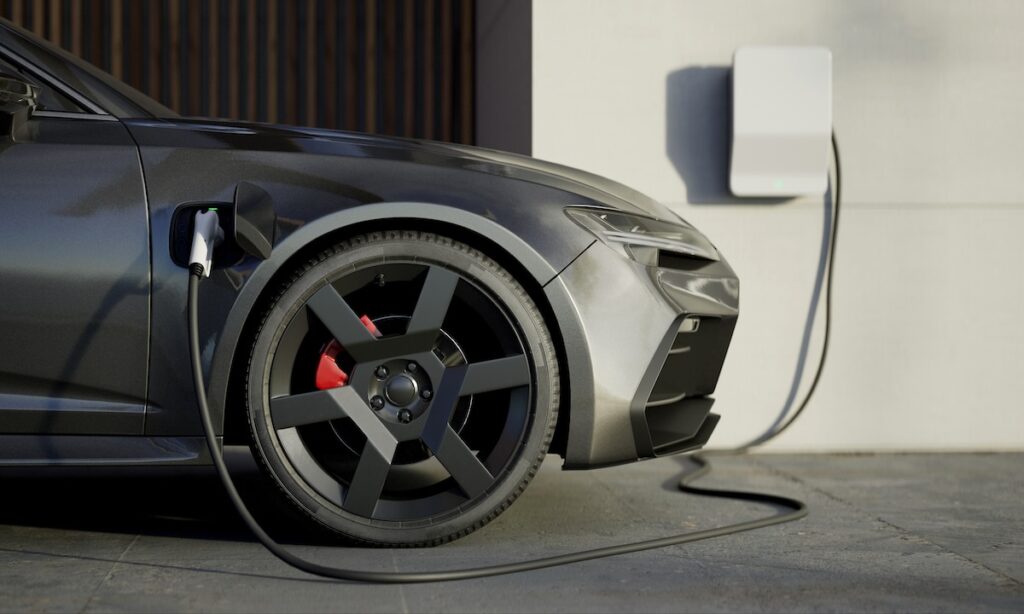
There’s also a practical financial side. CenterPoint says a home charging station generally costs about $500 to $3,000 to purchase and install, depending on the features you want, and it recommends asking your retail electric provider about off-peak rates or “free nights and weekends” plans to reduce charging costs. (Source: CenterPoint Energy)
For many households, the real value is consistency. Your car starts each day with predictable range, and you are not burning time looking for an open charger on the way home.
Level 1 vs. Level 2: which one is right for your home?
This is where a lot of pages get too simplistic. Yes, Level 2 is the common recommendation. But the better question is whether your driving habits actually require it.
Level 1 charging
Level 1 uses a standard 120-volt household outlet. Federal and transportation guidance says it is the slowest option for home charging. Depending on the vehicle, it can add around 5 miles of range per hour, and a battery EV can take roughly 40 to 50+ hours to reach 80% from empty. The Department of Energy also notes that many drivers can meet daily range needs with overnight Level 1 charging, especially when a dedicated branch circuit is already available near the parking area.
That means Level 1 can still be workable if you drive light miles, own a plug-in hybrid, or simply want a temporary charging setup while you plan a larger upgrade.
Level 2 charging
Level 2 uses a 240-volt circuit and is the upgrade most homeowners really mean when they search for EV charger installation Houston. Government guidance says Level 2 can often bring a battery EV to 80% in about 4 to 10 hours, making overnight charging far more practical for daily drivers. (Source: Department of Transportation)
For Houston homeowners, Level 2 usually makes the most sense when:
- you drive a full battery EV regularly
- your commute is longer than light local driving
- you want a true overnight recharge
- your household may add a second electric vehicle later
- you do not want charging speed to become a daily bottleneck
What a licensed electrician should evaluate before installing your charger

A good installation starts long before the charger goes on the wall.
The first job is not mounting the unit. It is figuring out whether your home can support the charger cleanly and safely. In Houston, Texas, CenterPoint specifically notes that a licensed electrician may need to perform upgrades to a 240-volt circuit for faster home charging.
A proper assessment usually looks at four things:
1. Electrical panel capacity
Houston electricians need to see whether your panel has enough available capacity for a new EV load without overtaxing the system. This is where load calculations matter. Plenty of homes are fine. Some are not. Older panels, crowded breaker spaces, and homes with multiple large appliances may need changes before the charger is added.
2. Breaker space and circuit design
Even when overall service is adequate, the panel still needs room for the right breaker and a clean, code-compliant path to the charger.
3. Distance from panel to charger location
Longer wire runs usually mean more labor, more material, and more cost. This is one of the easiest ways a simple install turns into a more involved project.
4. Best mounting location for daily use
A charger can be technically possible in several spots, but only one spot usually feels easy every day. The right choice keeps the cable reach comfortable, avoids awkward parking habits, and reduces trip hazards.
The best place to install a home EV charger
The right charger location is rarely about “where it fits.” It is about where it works.
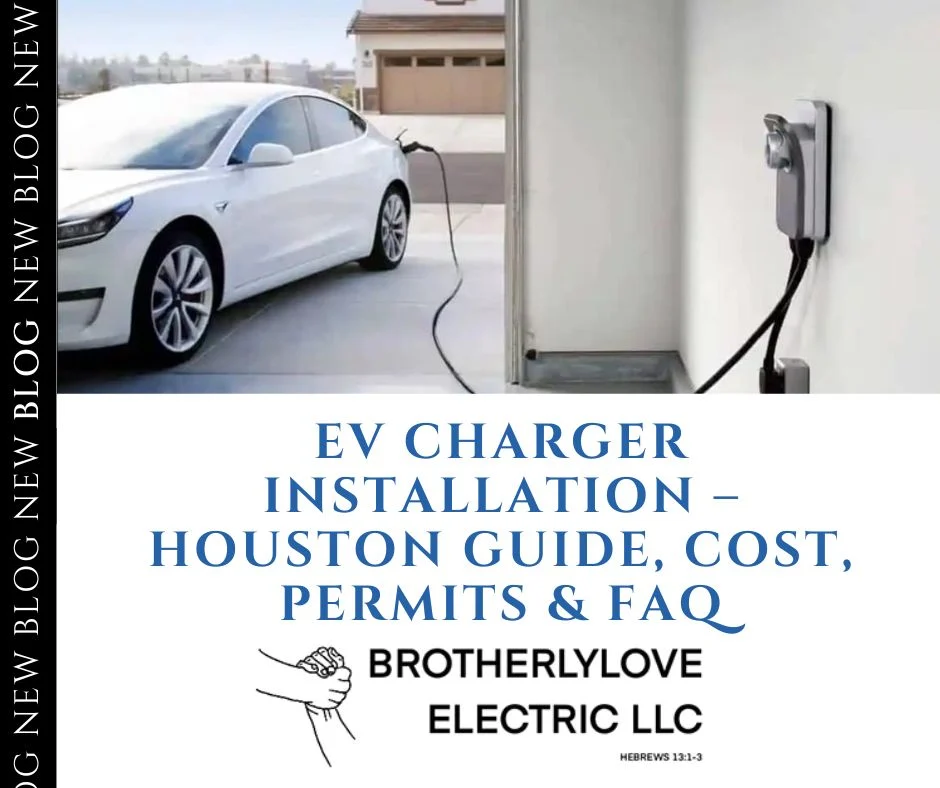
For most homes, that means placing the charger close to where the charging port naturally lands when the car is parked. In practice, common installation points are garage walls, carport walls, and exterior walls beside a driveway. The main goal is a short, practical cable path and safe access around the vehicle. (Source: US Depeartment of Energy – Alternative Fuels Data Center)
A few practical rules make a big difference:
- choose the wall that matches your usual parking position
- avoid forcing the cable to stretch across a walkway
- do not put the charger in a spot that requires precision parking every single day
- think about a future vehicle, not just the one you drive now
A good install should feel easy in real life, not just look neat in a photo.
Garage, carport, or exterior wall?
Each option can work. The best one depends on your layout.
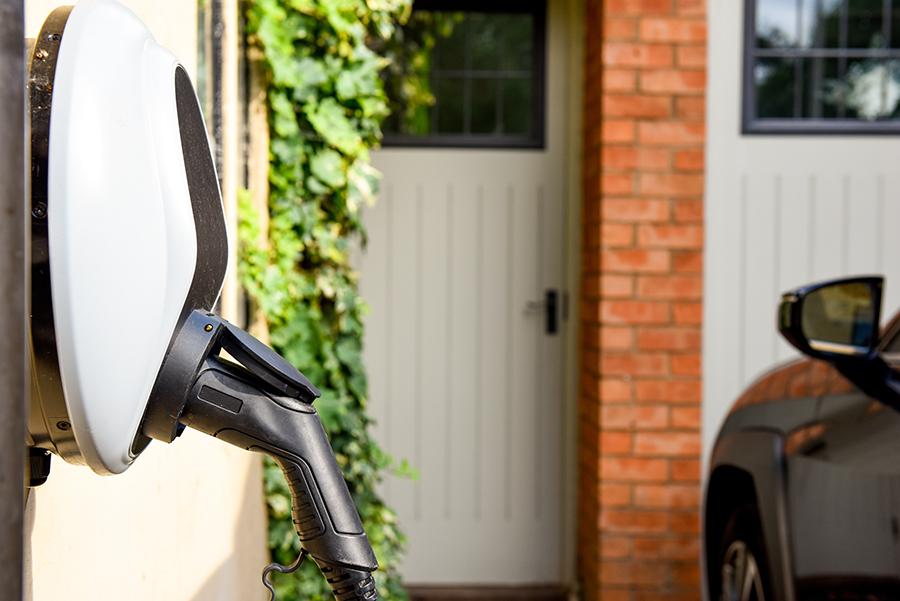
A garage install usually gives the charger more protection from weather and often makes cable storage cleaner. A carport or driveway-side install may be the better answer when that is where the car actually lives. When the charger is going outdoors, the equipment and installation details need to match that environment, not just the indoor version of the same job.
That is one reason it helps to think of the charger as part of your home’s electrical system, not just a device purchase.
Do you need a permit for EV charger installation in Houston?
Yes, in Houston, EV charging work falls under the city’s electrical permitting process. The Houston Permitting Center states that electrical permits are issued to registered master electricians, with applications handled through the iPermits system. The city also notes that some projects may require plan review and that the permit and approved plans, when applicable, should be kept on-site for inspection.
For homeowners, the takeaway is simple: your electrician should be handling the permit side correctly, not asking you to “skip the paperwork.”
Permits matter because they help ensure:
- the circuit is sized correctly
- the installation meets code
- the work can pass inspection
- you are less likely to run into problems later during a sale, remodel, or insurance claim
What the installation process usually looks like
A well-run EV charger installation isn’t complicated for the homeowner, but it should be methodical behind the scenes.
Step 1: On-site assessment
The electrician reviews the panel, service capacity, breaker space, wiring route, and charger location. This is where they determine whether the install is straightforward or whether added work is needed.
Step 2: Charger and circuit planning
This is where the scope gets finalized. The installer should confirm the charger type, amperage goals, mounting location, and whether the setup will be hardwired or connected another approved way based on the product and code requirements.
Step 3: Permit handling
In Houston, that means using the city’s electrical permit process through iPermits, with the permit issued to a registered master electrician or contractor.
Step 4: Installation day
This may include a new breaker, new circuit wiring, mounting the charger, and testing the system.
Step 5: Inspection and final verification
The city inspection closes the loop on the permit, and the installer should make sure the charger is operating properly before the job is considered finished. Houston’s permitting page specifically outlines inspection scheduling and notes that corrections require rescheduling.
How long does EV charger installation take?
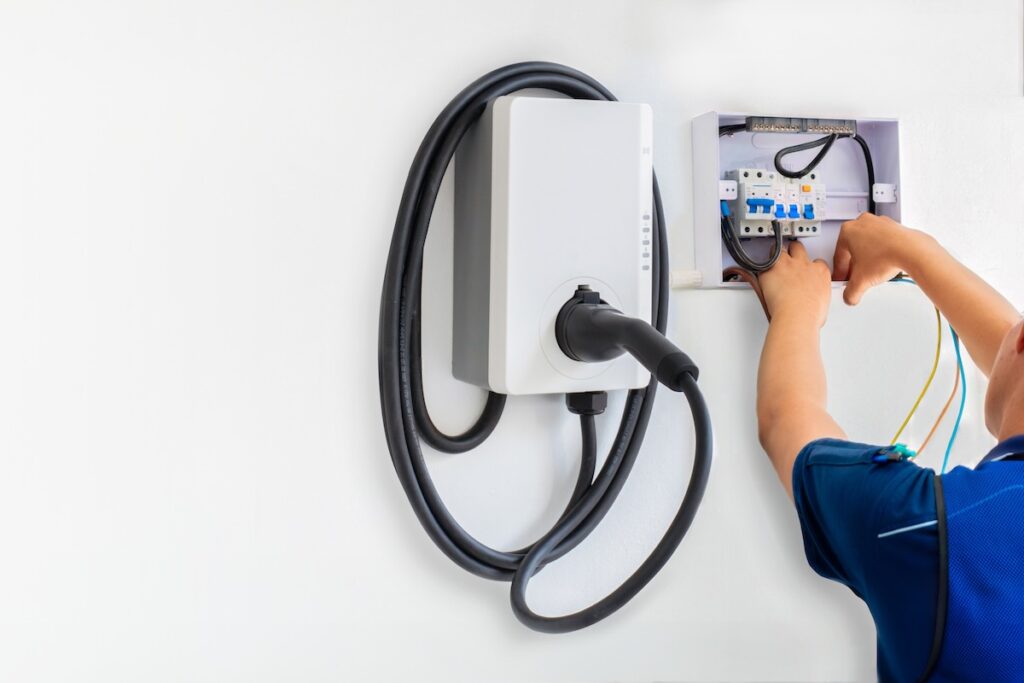
There is no single timeline for every home, but the work is often quick when the electrical setup is already favorable. Straightforward installs can commonly be completed in one visit. Jobs involving panel work, added wiring complexity, or scheduling around permit and inspection steps can take longer.
The better way to explain timing is this: charger mounting is the easy part. Electrical readiness is what controls the schedule.
What affects the cost of EV charger installation in Houston?
The charger itself is only one part of the price. CenterPoint’s Houston-area guidance says a home charging station generally costs approximately $500 to $3,000 to purchase and install, depending on features.
Within that broad range, the main cost drivers are usually:
Charger type and features
A basic charger costs less than a smart charger with app controls, scheduling, usage tracking, and power management features.
Distance from the panel
Longer conduit and wire runs generally increase labor and material cost.
Electrical panel condition
If the panel is full, outdated, or already carrying a heavy household load, the job may require additional electrical work before the charger can be added.
Indoor vs. outdoor installation
Exterior installs can involve different mounting, protection, and equipment considerations.
Permits and inspection
Permit handling is part of doing the work the right way in Houston.
The important thing for homeowners is not finding the lowest possible number. It is understanding why one quote is higher than another. A better quote usually reflects a safer and more durable scope of work, not just a bigger margin.
Smart chargers: worth it or not?
For some homeowners, a basic charger is enough. For others, a smart charger is the better long-term buy.
A smart unit may let you schedule charging for lower-rate hours, monitor usage, and adjust charging behavior through an app. That pairs well with CenterPoint’s advice to ask your retail electric provider about off-peak pricing options.
A smart charger tends to make more sense when:
- you want to charge during cheaper time windows
- you like tracking energy use
- more than one driver may use the charger
- you want more control over charging schedules
Should you plan for a second electric vehicle now?

In many Houston households, the first EV is not the last one.
Even if you only need one charger today, it can be smart to think ahead. That does not always mean installing two chargers now. It may simply mean planning the circuit route, panel space, and charger location in a way that makes a second install easier later.
Future-proofing is one of the easiest ways to avoid paying twice for access and routing work.
Common mistakes homeowners make
One is choosing a charger before confirming the home can support it well. Another is focusing only on the charger price and not the installation scope. A third is picking a location that looks convenient during the quote but becomes annoying every day after the job is done.
And of course, there is the classic mistake: trying to save money by cutting corners on licensing, permitting, or inspection. In Houston, the city’s permit process is clear that electrical permits are part of the job.
Incentives and tax credits: what Houston homeowners should know right now
As of April 17, 2026, the IRS says the federal Alternative Fuel Vehicle Refueling Property Credit for individuals can equal 30% of the cost of a home charger installation, up to $1,000 per charging port, including eligible labor and certain associated property. But the charger must be installed at your primary residence, located in an eligible census tract, and placed in service by June 30, 2026. The IRS also says you claim it using Form 8911 for the year the property is placed in service.
So the right way to discuss incentives is not to promise “rebates.” It is to say: check current eligibility before assuming you qualify.
FAQ: EV Charger Installation Houston
Q: Why is home charging becoming so important for Texas EV owners?
Because convenience compounds. Houston drivers spend a lot of time on the road, and home charging removes the need to hunt for an available public charger every time range gets low. CenterPoint also notes that public charging locations vary in speed and capacity.
Q: Is Level 1 ever enough?
Yes, sometimes. DOE guidance says many electric vehicle owners can meet daily range needs with overnight Level 1 charging if they have a dedicated branch circuit near where the car parks. It is simply much slower than Level 2.
Q: Why do most homeowners still choose Level 2?
Because it fits real life better. Level 2 uses 240 volts and commonly recharges a battery EV far faster than Level 1, often bringing it to 80% in roughly 4 to 10 hours instead of days from empty.
Q: Can the same installer handle Tesla and non-Tesla chargers?
Usually yes. The bigger issue is not the brand name. It is matching the charger, connector, amperage, and circuit design to the vehicle and the home.
Q: Do I need an electrical panel upgrade?
Not always. Some homes are ready for a charger with minimal additional work. Others need panel space, circuit changes, or broader upgrades. That is why a load assessment comes first.
Q: How much does home EV charger installation usually cost in Houston?
CenterPoint’s Houston guidance gives a general purchase-and-install range of about $500 to $3,000, depending on features. Real-world pricing varies based on panel condition, wire run length, charger type, and whether the install is indoors or outdoors.
Q: Are there incentives available?
Possibly, but they are not automatic. The current federal credit can be worth 30% of eligible costs up to $1,000 per port, but only if the installation meets IRS requirements, including the eligible census tract rule and the June 30, 2026 deadline for property placed in service.
Q: Do I need a permit in Houston?
Yes. Houston handles this through its electrical permit process, and the city states that electrical permits are issued to registered master electricians through iPermits.
Q: How long does installation take?
Simple installs are often completed in one visit, while jobs that involve added electrical work or more coordination can take longer.
Q: Can a charger be installed outside in Texas?
Yes, as long as the equipment and installation approach are appropriate for the location. Exterior installs are common when the vehicle parks in a driveway or carport rather than a garage.
Q: Is overnight charging safe?
It can be very safe when the charger is installed on the correct circuit, with the right overcurrent protection, by a qualified electrician, and with permits and inspection handled correctly.
Q: Should I get a smart charger?
It depends on how much control you want. Smart chargers are especially helpful for scheduling charging during cheaper time periods and monitoring energy use. CenterPoint specifically advises customers to ask their retail electric provider about off-peak pricing options.
Q: Will an EV charger help with resale?
It can make your home more appealing to future EV-owning buyers, especially as home charging becomes more expected rather than a nice extra.
Q: What if I live in an HOA community?
You should check your HOA rules before exterior electrical work or visible exterior equipment is installed. It is much easier to address that on the front end than after the charger location is chosen.
Q: Should I prepare for a second EV now?
In many cases, yes. Even if you only install one charger today, planning the location and electrical path around a future second EV can save money later.
EV Charger Installation (Houston)
The best EV charger installation isn’t always the one with the most expensive (or affordable) hardware. It’s the one that fits the way you actually live.
That means choosing the right charging level, confirming your electrical system is ready, putting the charger in the right place, handling permits the right way, and planning just far enough ahead that you do not outgrow the setup too soon.
When that all comes together, home charging feels simple.
Brotherlylove Electric
6140 North Sam Houston Pkwy W Unit D, Houston, TX 77066
(Master #318265 | Contractor #32701)
Already have a charger picked out? Let’s get it installed.
Still deciding? We can help you choose the right one.
Some homeowners come to us with a charger ready to go. Others are starting from scratch and just want a home charging setup that fits their car, their routine, and their space.
Either way, we make the process simple. We install customer-supplied home EV chargers and handle the dedicated circuit, wiring, and mounting needed for a clean, polished, code-compliant installation. And if you have not chosen a charger yet, we can help you narrow it down based on your vehicle, commute, parking layout, amperage needs, and whether a hardwired or outlet-based setup makes the most sense for your home.
Ready to make home electric vehicle charging easy? Contact us today to schedule your EV charger installation in Houston.


Related Posts

Upgrading your home’s electrical panel is a major decision that comes with real implications for safety, functionality, and long-term value. For homeowners in Houston and Dallas, especially those living in older houses or expanding their [...]
An outdated or undersized electrical panel can quietly undermine your home’s safety, efficiency, and future development. While many homeowners rarely think about their breaker box, it’s the heart of every electrical system. If you’ve been experiencing [...]
The cities of Houston and Dallas–Fort Worth are two of the most dynamic and fast-growing urban centers in the United States. With growing populations, expanding commercial sectors, and continuous development in both residential and infrastructure, the [...]