If you own a portable generator, or you’re thinking about buying one, there’s always that big question: “How much of my house can this thing realistically handle?”
Every generator package looks impressive in the store. Big numbers on the box. Pictures of entire homes lit up like the holidays. But once the storm season rolls through and the lights go out, reality sets in fast.
A portable generator is basically a fuel-powered budget. You spend watts the same way you spend money: carefully, and—ideally at least—with a clear sense of what matters the most.
A standby whole home generator is a very different kind of outage/home backup power experience. It feels less like managing a power budget, and more like the house staying fully powered no matter what the weather is doing.
This guide breaks down how far a portable generator can go when you hook up the generator to your house properly, what it can (and cannot) run, how to avoid overloading it, and how a whole home standby generator provides the kind of steady, automatic power backup many homeowners end up eventually looking for. Plus, some things to keep in mind for a simple outage plan—before you’re having to figure them out by flashlight.
The Basics: Wattage Isn’t Abstract Once the Lights Go Out
Generators advertise two numbers:
- Running watts: what it can supply steadily
- Starting watts: the brief burst it can handle when motors kick on
Those “motor kicks” add up. Refrigerators, furnace blowers, well pumps, and A/C compressors all pull a surge at startup. That moment is where most homeowners overload their generator without realizing it.
If you’ve never mapped out your home’s loads before, you see things differently once you’re counting watts. A fridge is no longer “a fridge.” It’s 600 watts running, 1,200–1,800 at startup. A microwave jumps to 1,000+. A window A/C unit spikes like a little power hog. Everything becomes a line item on a tiny, temporary power economy.
What You Can Usually Run on a Mid-Size Portable Generator
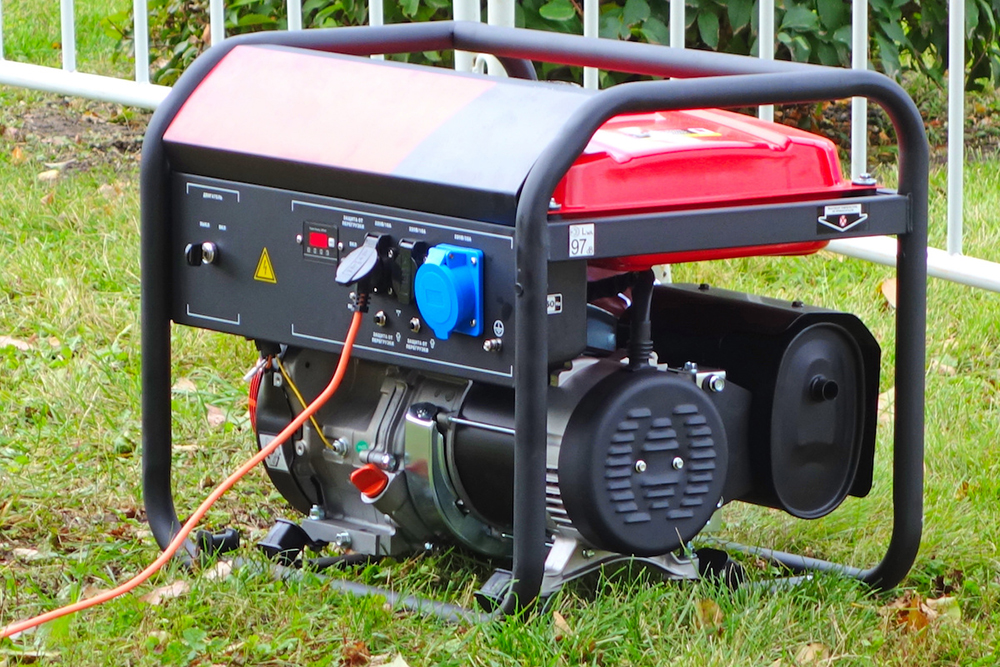
If you have a portable generator paired with a manual transfer switch or interlock, this is the range most people in Gulf Coast and storm-prone regions end up using.
In a typical home, you can expect to handle:
- Refrigerators and freezers
- The furnace blower (for central heat, if gas-fired)
- Lights
- Outlets in selected rooms
- Router/modem and small electronics
- Garage-door opener
- Sump pump (if you have one)
A lot of homeowners are surprised by how calm life feels once those are running. The house isn’t fully powered, but it functions. The food stays cold, you can see what you’re doing, and the place doesn’t feel abandoned.
One thing worth noting: powering a few essentials quietly teaches you which appliances sip power and which take a big bite. People often discover their “must-haves” aren’t the high-wattage ones they expected.
The Barrier You Hit Early: 240V
Central air conditioning, electric ranges, electric dryers, well pumps, and large shop equipment all need 240 volts. A generator that only outputs 120V won’t run them at all. Even generators that can output 240V don’t always handle the starting load of a full-size A/C system.
A mid-size portable generator might run:
- A smaller 240V well pump
- A single window A/C or portable A/C unit
- A light-duty 240V appliance (rare, but possible in limited cases)
But for central A/C, electric water heaters, large pool pumps, or EV chargers, you’re generally outside portable territory. Those are typically standby-generator circuits.
Some Appliances That People Think They Can Run on their Portable Generator… Until They Try
Electricians often see the same three surprises:
1. Electric Water Heaters
They pull 4,000–4,500 watts with zero warning. One breaker flip and the generator sighs like you just dropped a piano on it.
2. Electric Ovens & Stoves
Even “preheating for a minute” is too much. These are 240V loads with steady draw, not quick spikes.
3. Central A/C
A generator big enough to run central air exists, but it usually lives outdoors full-time, sitting on a pad, plumbed to natural gas or propane. Portable units can handle a lot but they don’t win this fight.
If cooling matters during outages, portable owners usually stage window units or a portable A/C in one room. It’s not exactly glamorous, but during a summer outage it feels like civilization.
Why Whole-Home Standby Generators Change the Equation
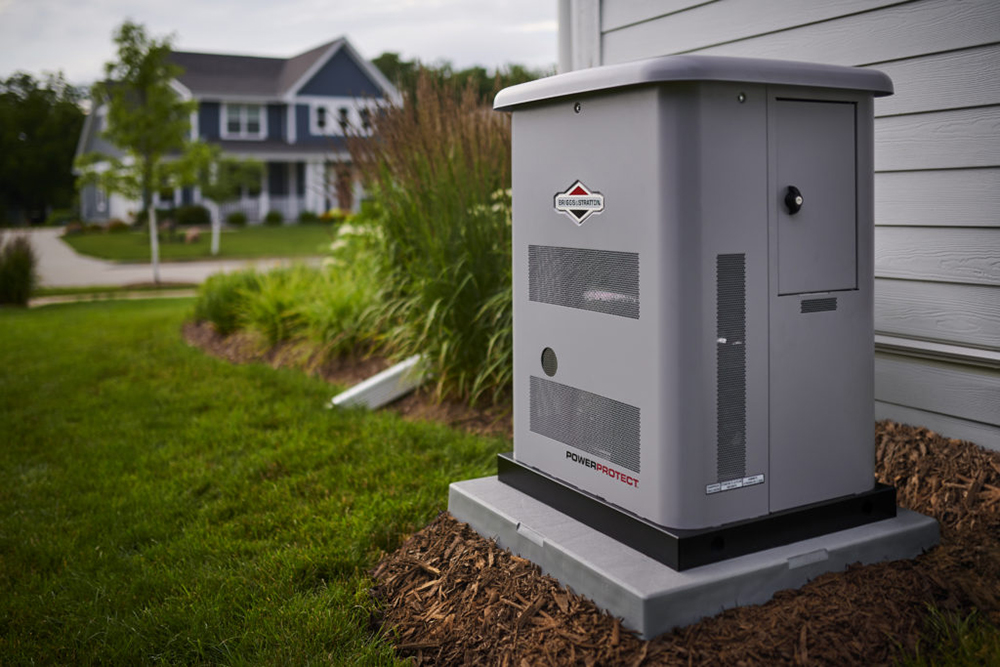
A standby generator paired with an automatic transfer switch doesn’t just add power—it changes how you think about outages entirely. Once it’s wired into the service equipment, load management modules and proper installation allow for:
- Central A/C operation
- Large 240V appliances
- Seamless switchover
You trade manual watt budgeting for an engineered system that knows what it can handle. Once homeowners experience it, they stop thinking of outages as chores.
Whole-Home Standby Generator Installation Solves the Problems Portable Units Can’t
Once you spend enough time budgeting watts, choosing which circuits to power, and dragging a portable generator across the garage floor in the rain, the appeal of a whole-home standby system becomes obvious. A standby generator doesn’t give you more “features.” It gives you an entirely different category of power—one that isn’t built around tradeoffs.
A portable generator works within a tight range. A standby generator starts to feel like you’re plugged into the utility again. That difference shows up fast.
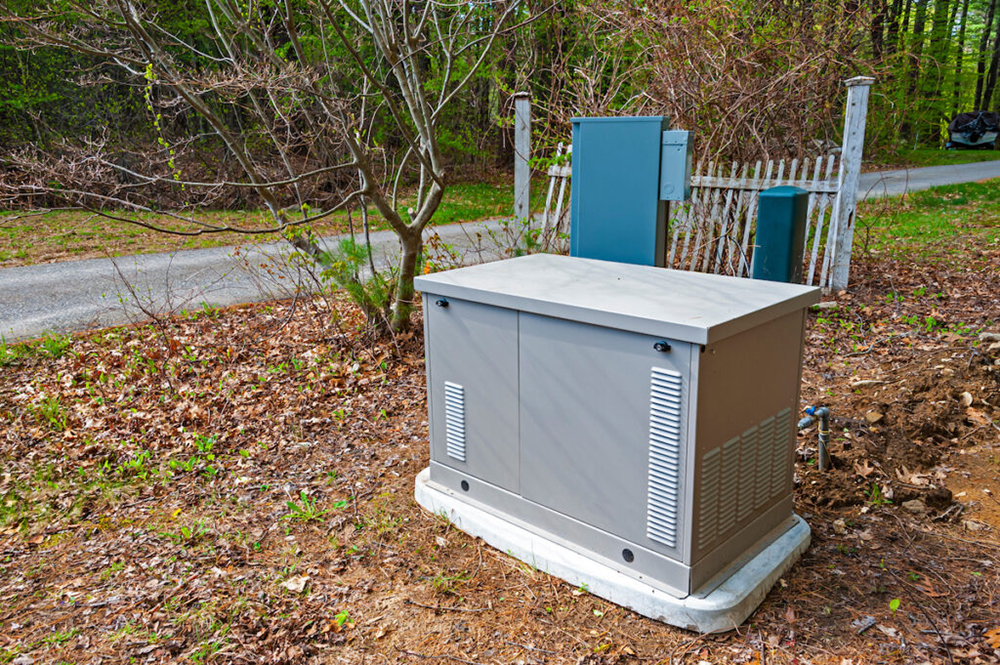
With a properly sized standby system and an automatic transfer switch, you gain access to loads that portable units simply can’t touch:
- Central A/C — The inrush current doesn’t overwhelm a standby generator the way it does a mid-size portable.
- Electric water heaters — No watt-budgeting or scheduling showers around generator output.
- Electric ranges and clothes dryers — These stay in the “off-limits” category with portable setups but rejoin normal life on a standby system.
- Pool pumps, well pumps, and tankless water heaters — Equipment that strains portable units becomes routine.
The big shift isn’t the number of appliances you can run. It’s that you stop having to think so much about wattage. The ATS prioritizes loads, sequences high-draw equipment, and shields you from moments where everything tries to start at once. That’s the engineering behind these systems: they absorb complexity so the homeowner never deals with it.
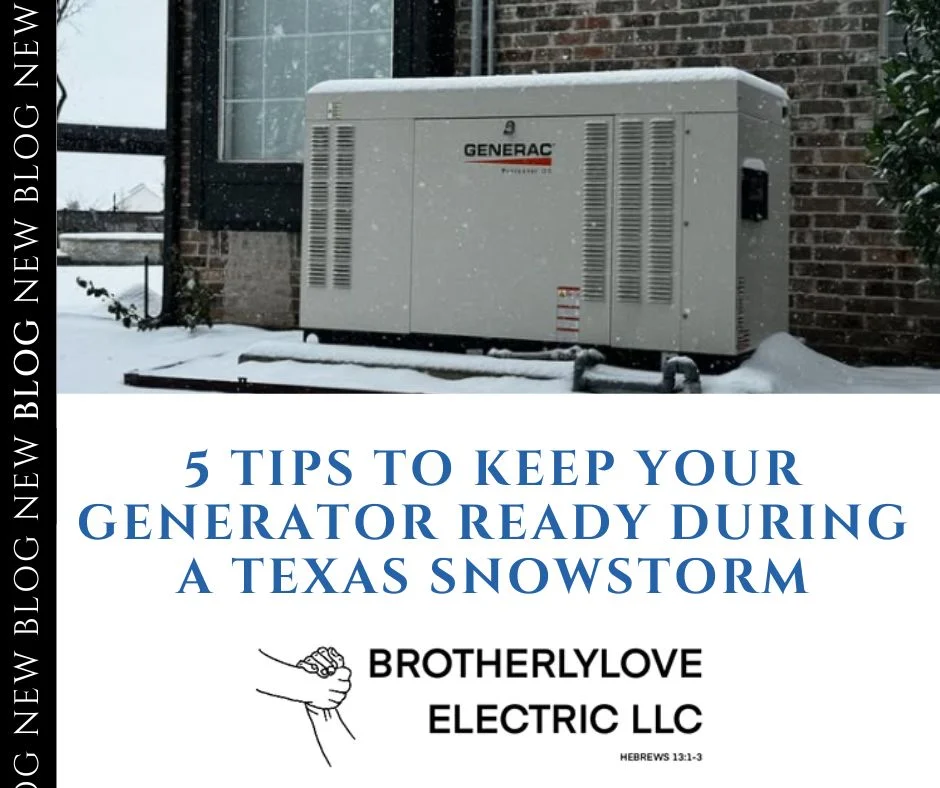
Another detail that matters more than people expect: permanence. A standby generator sits on a dedicated pad, tied into the home’s service equipment and fuel line. The power event happens, the lights dip, the generator fires up, and the house is back to normal. You’re not rolling anything out, finding extension cords, checking fuel cans, or choosing between comfort and practicality. The system behaves like infrastructure rather than a workaround.
And for anyone who has weathered enough Gulf Coast outages, that’s the difference that counts. A portable generator keeps key parts of the house alive. A standby generator keeps the house itself alive.
A Simple Rule of Thumb
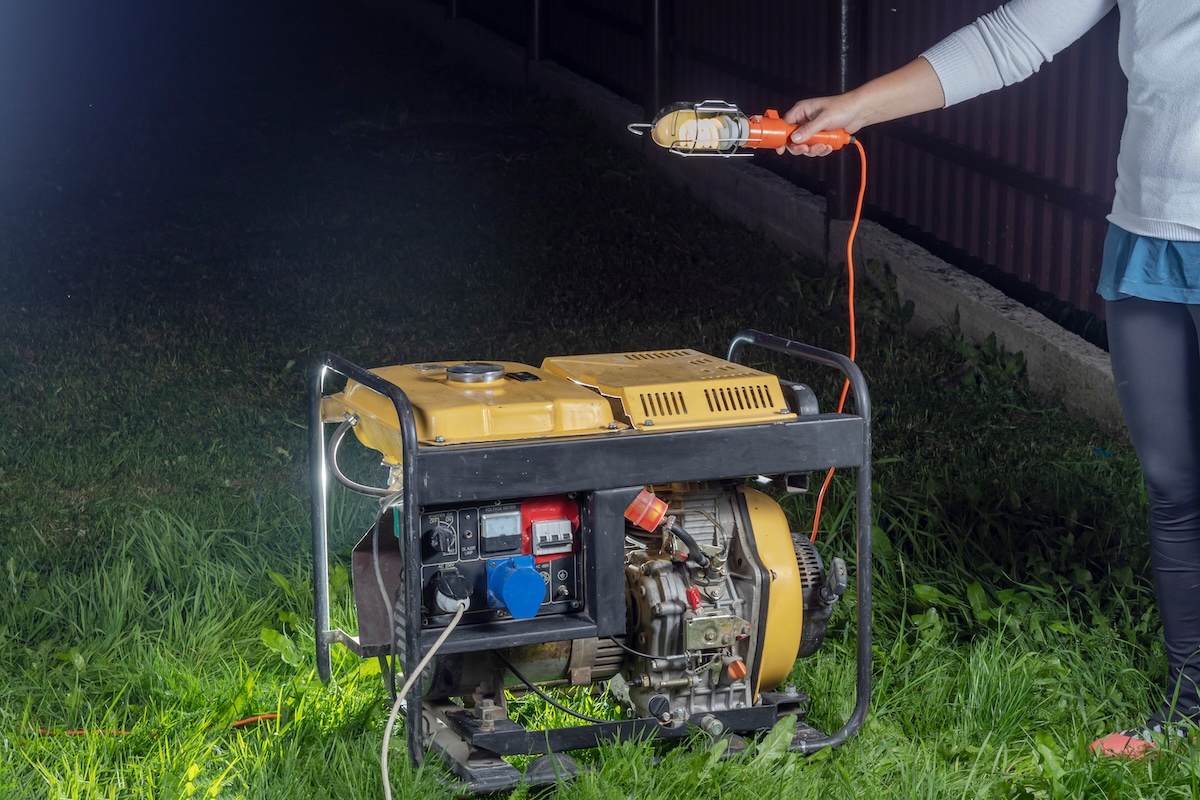
If you’re dragging a portable generator out of the garage, you’re in “essential circuits only” mode. If a generator lives outside on its own pad, tied into an automatic transfer switch, you’re in “keep-the-house-running” mode.
Most homeowners don’t sit around thinking about generator theory until a storm makes the decision for them. Then the contrast becomes clear. A portable generator is a lifeline in the moment, and there’s nothing wrong with that. It keeps food cold, water moving, and the dark a little less inconvenient. But once you’ve gone through a few outages and felt the limits—what it can start, what it can’t, how carefully you have to manage each circuit—you start to understand what whole home standby generator installation by a qualified electrician is designed to solve.
A system that sits outside on its own pad and talks to an automatic transfer switch isn’t there for occasional convenience. It’s there so your home behaves like itself even when the grid doesn’t. Air conditioning, major appliances, steady voltage, quiet transitions… all the normal parts of daily life stay intact instead of scattered across workarounds.
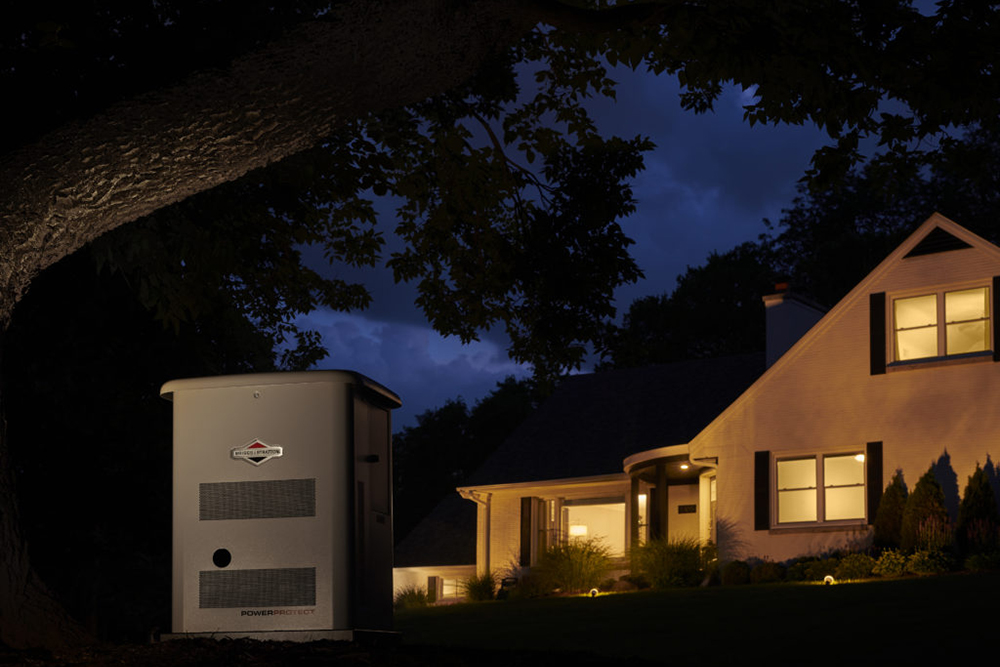
So that simple rule of thumb holds up: if you’re rolling something out of storage and topping off a tank, you’re in essential-mode. If the generator never leaves the pad and the house switches over on its own, you’re in whole-home mode. The difference is whether the outage feels like a hectic scramble, or practically a non-event.
And once you’ve lived through both versions, you understand exactly why people make the upgrade.

Related Posts
Upgrading your home’s electrical panel is a major decision that comes with real implications for safety, functionality, and long-term value. For homeowners in Houston and Dallas, especially those living in older houses or expanding their [...]
An outdated or undersized electrical panel can quietly undermine your home’s safety, efficiency, and future development. While many homeowners rarely think about their breaker box, it’s the heart of every electrical system. If you’ve been experiencing [...]
The cities of Houston and Dallas–Fort Worth are two of the most dynamic and fast-growing urban centers in the United States. With growing populations, expanding commercial sectors, and continuous development in both residential and infrastructure, the [...]