
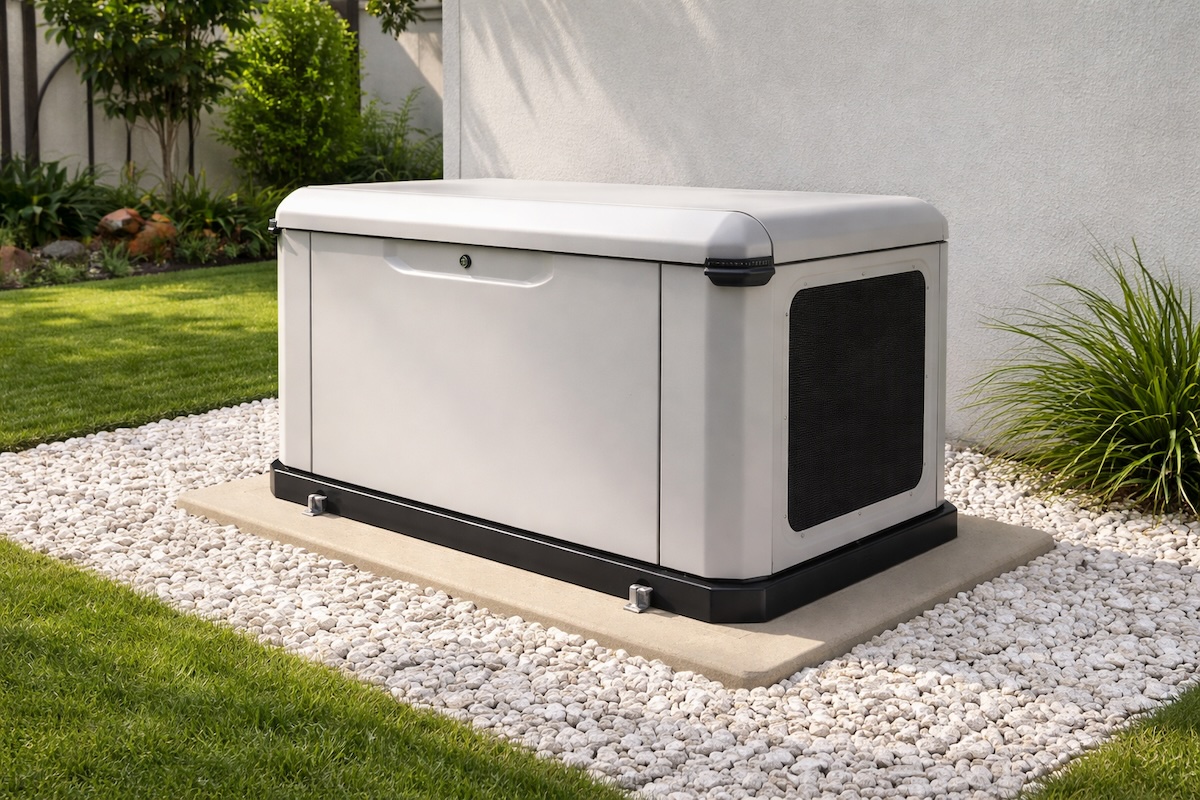
If you own a whole home standby generator, one of the stranger moments can be hearing it start up on an otherwise normal day. The lights are on. Nothing looks wrong. No storm is rolling through. Then the generator briefly kicks on and shuts back off.
In many cases, that may be completely normal. Because standby generators are built to sit ready in the background for long stretches of time, then start automatically when utility power fails. Because they typically spend the majority of their life waiting to supply backup power for your whole house or business during an outage, they usually need a way to periodically check their own readiness.
This article explains why a standby generator may run even when the power is still on, why some exercise cycles are very short, why others may last longer, and when a longer run time might be worth a closer look.
What A Generator “Exercise” Cycle Means
A home standby generator may be programmed to start automatically on a set schedule as part of a self-check routine. This is often called an exercise cycle.
During that exercise, the generator starts, runs briefly, and confirms that important systems appear to be working as intended.
Depending on the specific home generator model/unit, that may include checks related to starting, fuel delivery, engine operation, and basic control functions. The goal is simple: if the generator is going to be asked to take over during an outage, it needs to have regular opportunities to make sure that it can still start and run. That is why a generator may turn on even when utility power has not gone out.
For Houston homeowners, this is one of those things that may sound alarming the first time but then becomes part of the background of owning the equipment.
Why Standby Generators Need To Exercise At All
A standby generator is backup equipment. Unlike an everyday appliance, it may sit idle for days, weeks, or months at a time. That sounds convenient, but any machine that remains unused for long periods may develop issues that go unnoticed until it is needed most.
An “exercise cycle” helps reduce that risk. By running itself automatically on a preset schedule, the generator may be able to catch certain problems before an outage happens. A unit might detect a starting issue, a fuel-related problem, or another fault condition during one of these routine checks. Some systems may also pair with monitoring technology that alerts the homeowner, installer, or service provider if the generator reports a problem.
Self-testing is one reason standby generators tend to feel more “always ready” than backup solutions that depend entirely on manual setup.
How Long A Normal Exercise Cycle Might Last
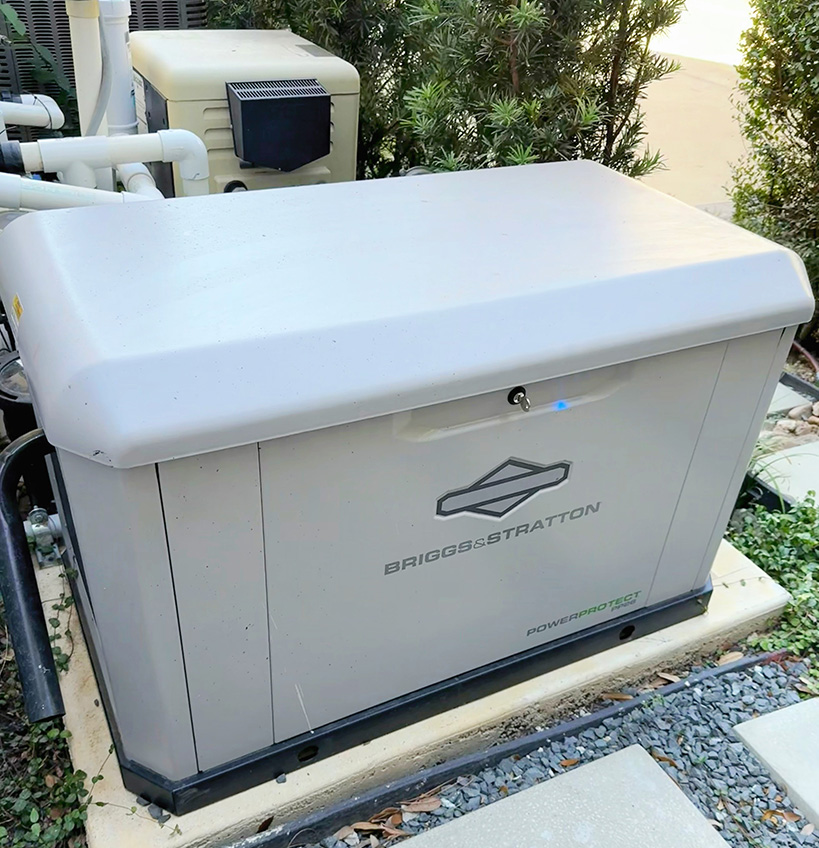
Not every generator exercises the same way. Some standby generators may be set to run for only a very short time, sometimes around 10 to 20 seconds. Others may run for several minutes. Depending on the model and setup, exercise cycles might be scheduled weekly, monthly, or based on the unit’s internal logic and maintenance programming.
A short exercise may be enough for the generator to start, confirm operation, and shut back down. In other cases, the programmed exercise period may be longer. Some systems allow settings such as a brief weekly exercise, a multi-minute test run, or other intervals chosen during installation or service.
So if your generator starts, runs for a short period, and turns off on its own, that may simply be its normal exercise schedule doing exactly what it is supposed to do.
Why Some Exercise Cycles Are So Short
Homeowners sometimes expect a test run to last several minutes, so a brief automatic start can seem odd. But some generators are designed to perform a very short routine check.
A shorter exercise cycle may help confirm that the engine starts and basic systems respond without creating unnecessary noise, fuel use, or wear. In practice, many people barely notice these quick test runs, especially if they happen at a set time each week.
That is why a brief startup and shutdown usually is not a reason to panic by itself.
What matters more is consistency. If the unit runs briefly at about the same scheduled time and then shuts down normally, that often points to routine operation rather than a problem.
Why A Generator Might Run Much Longer Than Usual
A longer run time may still be normal, depending on the season, the programming, and the generator model.
Some standby generators may be set up to perform an extended exercise or burn-off cycle once or twice a year, often around seasonal transitions like spring and fall. These longer runs may last around 30 to 45 minutes on certain systems.
The purpose of a longer run may be to bring the engine up to operating temperature long enough to help evaporate moisture or address condensation that may have built up over time. Some manufacturers describe this as a burn-off routine. In general terms, it may help reduce moisture accumulation in the engine or crankcase and support smoother long-term operation.
So if your generator suddenly runs much longer than its usual weekly check, that does not automatically mean something is wrong. It may be carrying out a programmed maintenance-related cycle that only happens occasionally.
Why Seasonal “Long” Runs May Be Built In
Generators live outdoors, deal with temperature swings, and often spend a lot of time not running. Because of that, moisture management may become part of long-term maintenance logic.
A longer seasonal exercise may help the unit get fully warm and stay warm long enough to deal with moisture that a very brief weekly test would not address. That may be especially useful after periods of changing weather, humidity, or repeated temperature shifts.
Homeowners sometimes describe this as the generator “randomly running forever,” but from the generator’s point of view, it may be doing a deeper self-maintenance cycle than its usual quick check.
If the timing seems to line up with a seasonal interval and the unit shuts down normally afterward, that may be part of its standard programming.
What Is Considered Normal & What May Not Be
In general, a standby generator running briefly on a schedule is usually normal. A longer run once in a while may also be normal. What matters is the pattern.
A generator may be operating as expected if it does the following:
- starts automatically at a predictable scheduled time
- runs for about the same length each regular exercise
- occasionally performs a much longer exercise if that is part of its programming
- shuts down on its own without alarms or unusual behavior
A generator may deserve attention if it starts running at unusual times with no clear pattern, keeps running far beyond what seems normal for its programmed exercise routine, shows warning lights or fault messages, struggles to start, starts and stops repeatedly, or sounds different than usual.
The trick is that “normal” depends on the specific system. Exercise settings may vary by generator size, controller type, fuel source, installation choices, and service setup.
Important: If in doubt, review your generator’s manual and contact a qualified generator service professional or installer to confirm whether the run pattern matches your system’s normal exercise settings.
Why Monitoring Features Can Be Helpful
Some newer standby generators may include remote monitoring or connected alert systems. These tools might notify the homeowner or service provider if the generator logs a fault, misses an exercise cycle, or reports an operational issue.
That can be useful because most people are not standing outside during every scheduled exercise. Monitoring may help bridge that gap by letting someone know if the generator is no longer passing its routine self-checks.
Even without connected monitoring, many systems store status information on the controller that a service technician can review during maintenance.
What To Do If Your Generator Seems To Be Running Too Long
If your generator is running longer than expected, the first thing to consider is whether it may be in a programmed exercise or seasonal burn-off cycle.
If it is around the time of a scheduled exercise and the unit sounds normal, it may be best not to interrupt it right away. Some generators are simply following their controller settings.
If the run time feels well outside the ordinary, or if the generator seems to be behaving unpredictably, it may make sense to check a few basics:
Look At The Controller Display
Some generators may show exercise settings, warnings, or fault codes directly on the control panel. That may help explain whether the unit is in a normal routine or reporting a problem.
Think About The Schedule
Has it been starting on the same day and time each week or month? Has it reached a seasonal point when a longer exercise may be expected? Patterns matter.
Watch For Utility Power Issues
Sometimes a homeowner assumes utility power is fine because only a brief flicker occurred, but the generator may have detected an interruption or quality issue. In some cases, what feels like a random run may have been a legitimate response to power instability.
Important: Call For Service If The Behavior Seems Off
If the generator continues running unusually long, shows alerts, or seems to have changed behavior from its normal pattern, a professional inspection may be the safest move. Standby systems involve automatic controls, fuel supply, transfer equipment, and engine systems, so diagnosis is usually better handled by someone trained on that equipment.
Does Frequent Exercise Waste Fuel Or Wear Out The Generator?
A properly set exercise routine is generally part of owning a standby generator.
These systems are designed with the expectation that they will test themselves periodically. A short weekly or monthly exercise may use relatively little fuel compared with an actual outage run. The tradeoff is that routine testing may help reduce the chance of a failed start when backup power is needed most.
That said, exercise settings should make sense for the system. Some homeowners may prefer a shorter or less frequent test if the generator and local conditions allow it, while others may follow a more conservative schedule based on your specific standby generator installer recommendations and the equipment’s programming options.
The best setup usually depends on the generator model, operating environment, and service guidance.
Takeaway
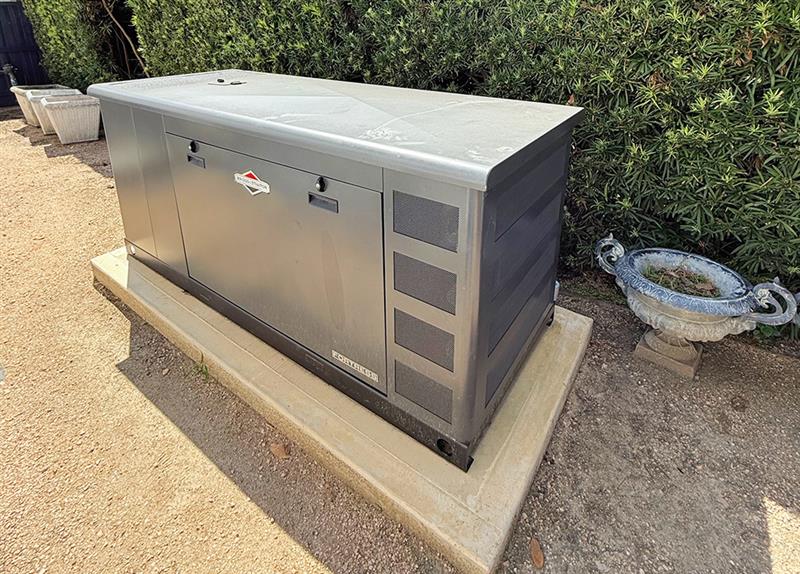
A whole home standby generator may run when the power is still on because it is designed to check itself. That brief automatic startup is often part of normal ownership, not a warning sign.
In some cases, the exercise may last only seconds. In others, it may last several minutes. And on certain systems, a much longer run may happen occasionally as part of a seasonal burn-off or moisture-management routine.
The most important thing is to learn your generator’s normal pattern. Once you know when it typically exercises and how long it usually runs, it becomes much easier to tell the difference between ordinary operation and something that may need attention.
For most homeowners, that knowledge turns a surprising sound in the yard into something much more reassuring: proof that their whole home backup power system is still checking itself and staying ready for the next outage.