If “electrical panel upgrade” sounds like swapping one metal box for a newer metal box, you are not alone. The part most homeowners do not see is the math and planning behind it. Panel work is really about making sure your home has enough safe capacity for what you run today, plus what you are likely to add next year.
If you want the big picture first, start with the Electrical Panel Upgrade & Replacement Guide. This article goes deeper on the part that often decides whether an upgrade is truly necessary: the load calculation.
Why panel “size” is really about usable capacity
Two homes can both have “200 amps” on paper and behave completely differently in real life. One might run smoothly with plenty of breathing room, while the other trips breakers whenever the oven, dryer, and HVAC overlap.
That is because capacity is not just the number stamped on the main breaker. Usable capacity depends on things like:
- The actual electrical demand of your appliances, including long-duration loads
- Whether large motors are starting at the same time
- How circuits are distributed and balanced across the panel
- The condition of the panel hardware and breaker connections
A proper load calculation turns all that into a clear answer: what the home can safely support and what needs to change.
What an electrician means by “load calculation”
A load calculation is a standardized way to estimate the electrical demand your home places on the service. It is not a guess, and it is not based on how many empty breaker spaces you have left.
Instead, it looks at the categories of electrical loads in the home, including lighting, receptacles, kitchen circuits, fixed appliances, HVAC, and any major additions like EV charging. It also accounts for the fact that not everything runs at maximum at the same instant, while still respecting the loads that can run for hours at a time.
This is one reason a “panel full” problem can be misleading. A panel can be physically full but still have enough service capacity, meaning the fix might be organization, circuit planning, or a subpanel. Or the panel can have open breaker slots but be at its safe limit, meaning adding circuits is a bad idea without an upgrade. If you have not already read it, the breaker boxes 101 guide is a solid primer on how panels and breakers work together.
Continuous loads and why the 80% rule matters
Some electrical loads are “continuous,” meaning they can run for three hours or more. These loads need special consideration because electrical systems heat up over time. A circuit that can handle a short burst might not be safe when pushed hard for hours.
A common rule of thumb you will hear is the 80% rule: continuous loads should not use more than about 80% of a circuit’s rating. This is exactly why upgrades like EV charging can expose weak capacity fast. Charging is not a quick spike. It is a sustained draw.
Starting current vs running current
Motors and compressors often draw more power for a brief moment when starting than they do while running. HVAC systems are a classic example. That brief flicker when the air conditioner kicks on can be a sign the electrical system is operating close to its limits or has connection issues that increase voltage drop under load.
Load calculations help electricians plan realistically for these real-world behaviors, not just the nameplate numbers.
The upgrades that most often change the load math
A lot of panel decisions get triggered by a single project. Often the project itself is not the true problem. It is simply the final addition that forces the panel to reveal its limits.
- Adding a Level 2 EV charger circuit
- Installing a whole home standby generator
- Switching major appliances from gas to electric
- Upgrading HVAC equipment or adding additional systems
- Adding a hot tub, pool equipment, or workshop tools
- Remodels or additions that increase circuit demand
If your plans include any of these, the panel should be treated as part of the project, not an afterthought. This is especially true for backup power planning, which often leads homeowners from generator sales and service into deeper conversations about panel readiness.
100A vs 150A vs 200A vs 400A service: a practical comparison
There is no universal service size that fits every home. Load calculations exist precisely because electrical demand varies so widely. Still, patterns do emerge across many Texas homes.
| Service Size | Often Fits Best For | Common Signs It May Be Too Small |
|---|---|---|
| 100 amps | Smaller homes with modest electrical demand | Frequent breaker trips, limited expansion options |
| 150 amps | Mid-sized homes with some larger loads | Tight margins when adding EV charging or HVAC upgrades |
| 200 amps | Many modern homes with multiple appliances | Can feel constrained with stacked high-demand additions |
| 400 amps | Large homes or homes designed for future growth | Typically chosen to avoid constant load balancing |
This comparison is not a substitute for a real evaluation. It simply illustrates why guessing often leads to either overbuilding or running too close to the edge.
When a subpanel helps and when it does not
A subpanel is an excellent solution for space and organization problems. It provides additional breaker positions and can simplify wiring for garages or additions.
A subpanel does not increase the home’s service capacity. If the main service is already near its limit, adding a subpanel is like adding shelves to a refrigerator that cannot keep food cold. You get more room, but not more capability.
This distinction is covered in detail in the Electrical Panel Upgrade & Replacement Guide, where space and capacity are clearly separated.
Why “just add a breaker” is not a plan
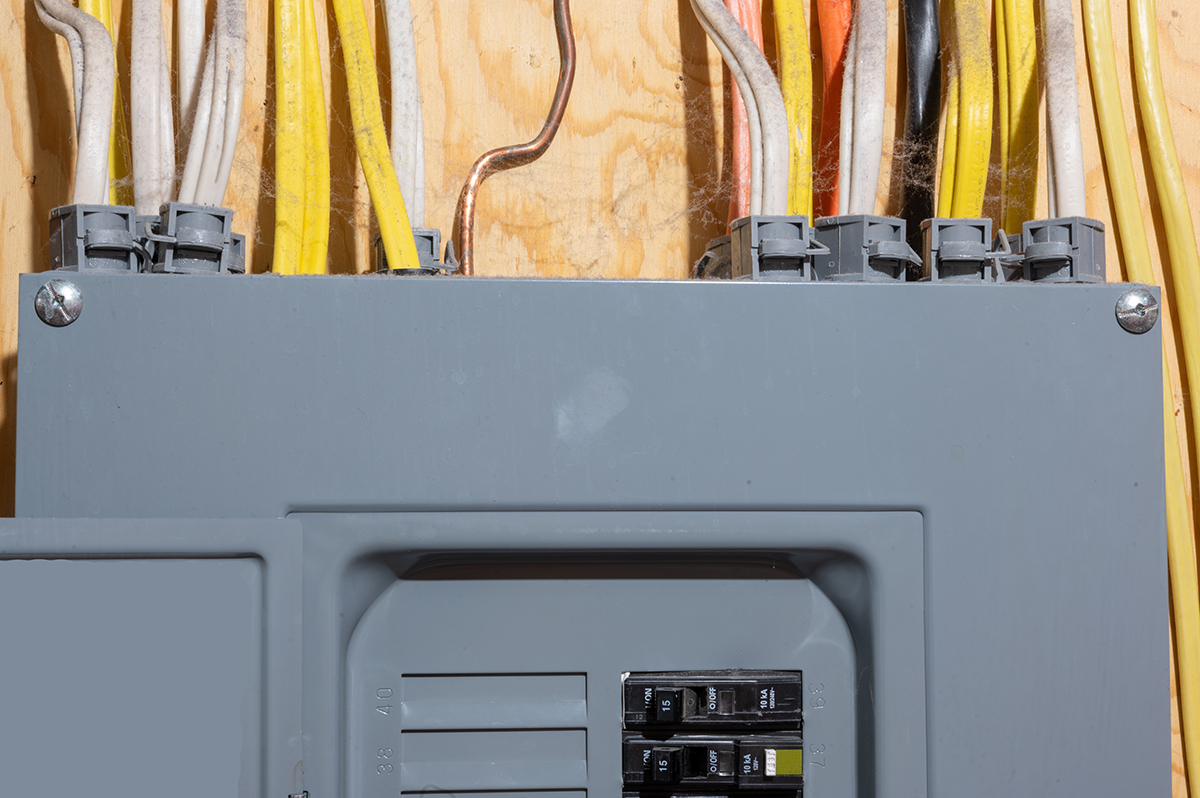
When homeowners hear that a panel is full or overloaded, the instinct is often to look for the smallest possible fix. That usually means squeezing in tandem breakers or doubling circuits.
Shortcuts at the panel are where safety and reliability tend to fail first. Heat at breaker connections, stressed bus bars, and poorly distributed loads can turn a minor issue into a serious hazard.
If you are seeing nuisance trips, flickering under load, or warm outlets, the article on protecting your home from electrical circuit overloads explains why these warning signs should not be ignored.
A smart panel evaluation goes beyond the label
A proper panel evaluation usually includes:
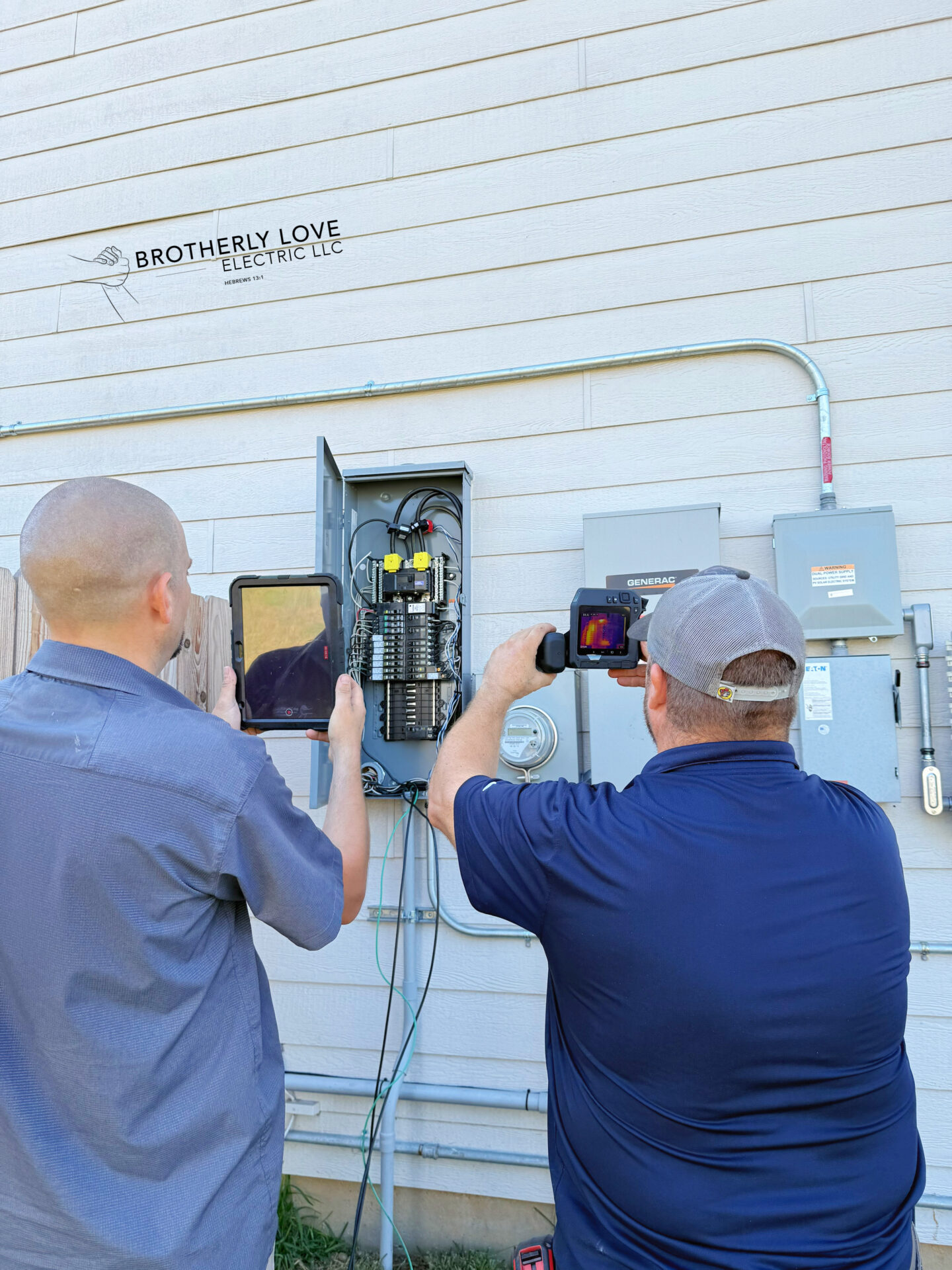
- Inspecting panel condition, breakers, and connections
- Reviewing circuit layout and load balance
- Identifying unsafe modifications or aging components
- Performing a load calculation based on current and future needs
- Recommending the simplest solution that restores safe capacity
This is where a licensed electrician adds real value by matching the solution to the problem, not just selling the largest upgrade.
If you want one team to handle everything from evaluation to upgrades, start with residential electrician services.
Do not overlook surge protection during upgrades
As electrical systems grow, so does the value of protecting sensitive equipment. Panel upgrades are an ideal time to consider service-level surge protection.
The article do whole-home surge protectors work explains what these devices do well and where their limits are.
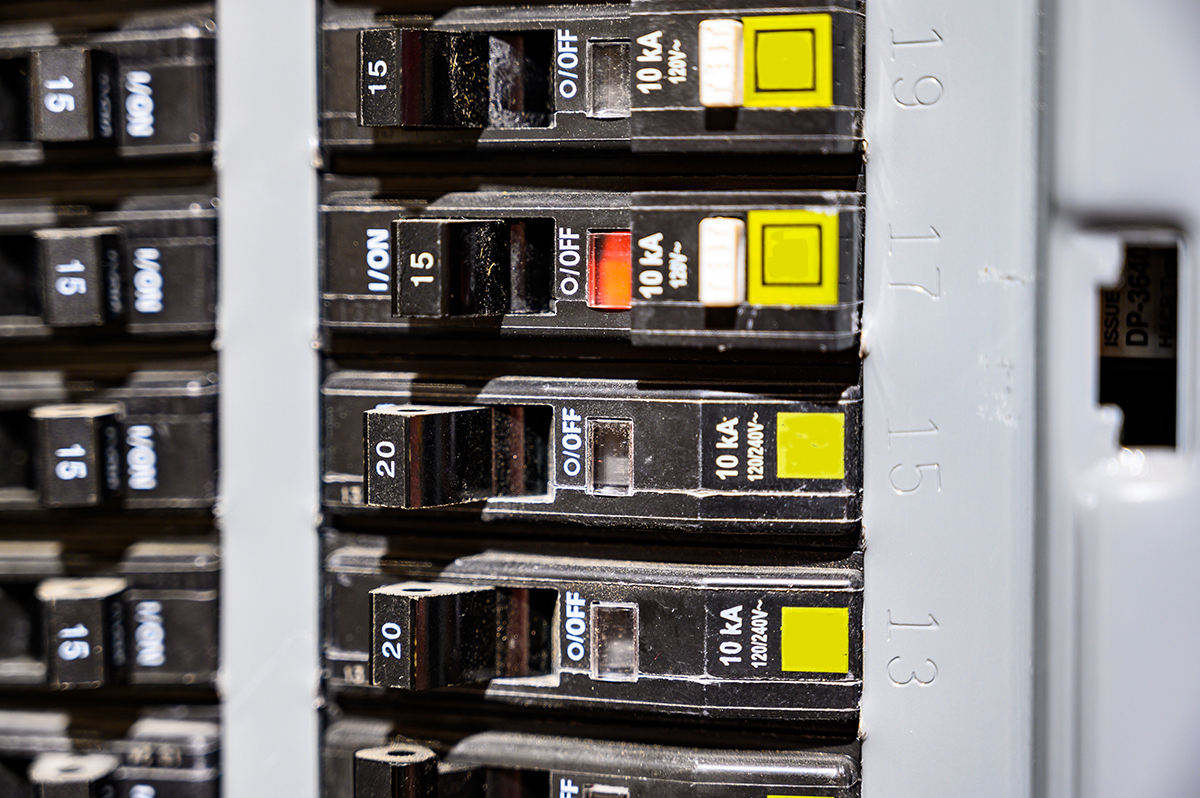
A panel upgrade is about more than adding breakers. It is a capacity and safety decision that should be backed by a proper load calculation, especially when adding EV charging, backup power, or major electric appliances.
For a complete overview of warning signs, upgrade options, and what the work involves, read the Electrical Panel Upgrade & Replacement Guide. To schedule an evaluation in Houston or Dallas, or if you are experiencing urgent issues such as burning smells, buzzing panels, or repeated breaker trips, contact Brotherlylove Electric.





Related Posts

Upgrading your home’s electrical panel is a major decision that comes with real implications for safety, functionality, and long-term value. For homeowners in Houston and Dallas, especially those living in older houses or expanding their [...]
An outdated or undersized electrical panel can quietly undermine your home’s safety, efficiency, and future development. While many homeowners rarely think about their breaker box, it’s the heart of every electrical system. If you’ve been experiencing [...]

The cities of Houston and Dallas–Fort Worth are two of the most dynamic and fast-growing urban centers in the United States. With growing populations, expanding commercial sectors, and continuous development in both residential and infrastructure, the [...]