When you need electrical work done, it can be confusing to know whether to hire an electrician or an electrical contractor. While these terms are often used interchangeably, they refer to different roles with distinct responsibilities. Understanding the difference between an electrician and an electrical contractor is crucial for ensuring you get the right professional for your project.
Today our aim is to clear up any confusion by explaining the specific roles and responsibilities of electricians and electrical contractors. We will be diving into their educational pathways, scope of work, employment opportunities, and how they collaborate on projects. By the end of this article, you will have a clear understanding of what each professional does and when to hire one over the other.
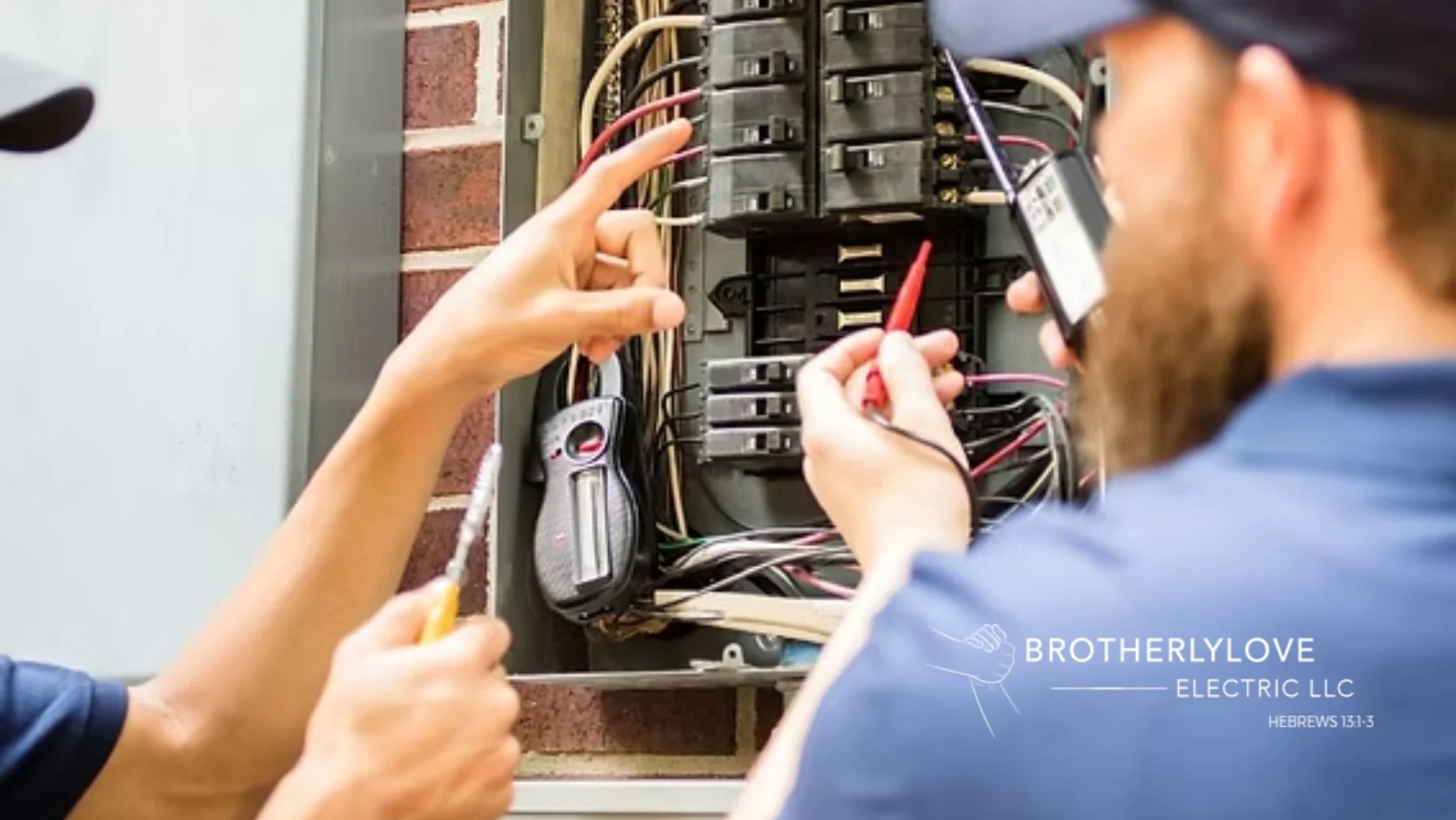
Distinguishing between these two roles is important because it affects the quality, efficiency, and safety of the electrical work being done. Electricians are the hands-on experts who perform the actual installation, maintenance, and repair work. Electrical contractors, on the other hand, often manage larger projects, oversee multiple electricians, and ensure compliance with building codes and regulations.
Knowing the difference can help you make informed decisions, whether you’re planning a small home repair or a large commercial project. It ensures that you hire the right person for the job, potentially saving you time, money, and headaches down the line.
Defining the Roles
When it comes to electrical work, understanding the specific roles of electricians and electrical contractors is key to ensuring you get the right expertise for your project.
Overview of Electricians: General Duties and Responsibilities
Electricians are the skilled tradespeople who perform the hands-on work involving electrical systems. They are responsible for installing, maintaining, and repairing electrical wiring, outlets, circuit breakers, and other electrical components in residential, commercial settings. Their tasks can range from simple jobs like fixing a faulty light switch to complex projects like wiring an entire building. Electricians work directly on-site and deal with the physical aspects of electrical systems.
There are different types of electricians, each specializing in various areas:
Overview of Electrical Contractors: General Duties and Responsibilities
Electrical contractors, on the other hand, are usually businesses or individuals that employ electricians to perform electrical work. Their role is more about managing and overseeing projects rather than performing the electrical work themselves, though some may still do hands-on tasks depending on the size of the business and project.
Electrical contractors are responsible for:
There are also different types of electrical contractors, including:
Key Differences in Their Roles and Importance
The key difference between electricians and electrical contractors lies in the scope and nature of their work. Electricians focus on the technical aspects, working directly with electrical systems and performing the physical labor involved in installations and repairs. Electrical contractors, however, take on a broader role, managing entire projects, ensuring compliance with regulations, and overseeing the work of multiple electricians.
Educational Pathways and Certification
Understanding the educational pathways and certification requirements for both electricians and electrical contractors is essential to appreciate the distinct expertise each brings to the table. Both roles require rigorous training and adherence to stringent standards, but their educational journeys and certification processes reflect their unique responsibilities in the electrical industry.
Educational Requirements and Training for Electricians
Electricians undergo specialized training to equip them with the skills needed for hands-on electrical work. Their education typically begins with a high school diploma or equivalent, followed by enrollment in vocational schools or technical colleges that offer programs in electrical technology. These programs provide foundational knowledge in electrical theory, circuitry, safety practices, and the National Electrical Code (NEC).
A significant component of an electrician’s training is an apprenticeship, which combines classroom instruction with on-the-job training. Apprenticeships usually last four to five years, during which aspiring electricians work under the supervision of experienced professionals. This hands-on experience is crucial, as it allows apprentices to apply theoretical knowledge to real-world scenarios, troubleshoot issues, and develop practical skills.
Upon completing their apprenticeship, electricians must obtain certification or licensure to work legally. Licensing requirements vary by state but generally include passing a comprehensive exam that tests knowledge of electrical theory, the NEC, and local electrical codes. Continuing education is often required to maintain licensure, ensuring that electricians stay updated with the latest advancements and safety standards in the field.
Educational Requirements and Training for Electrical Contractors
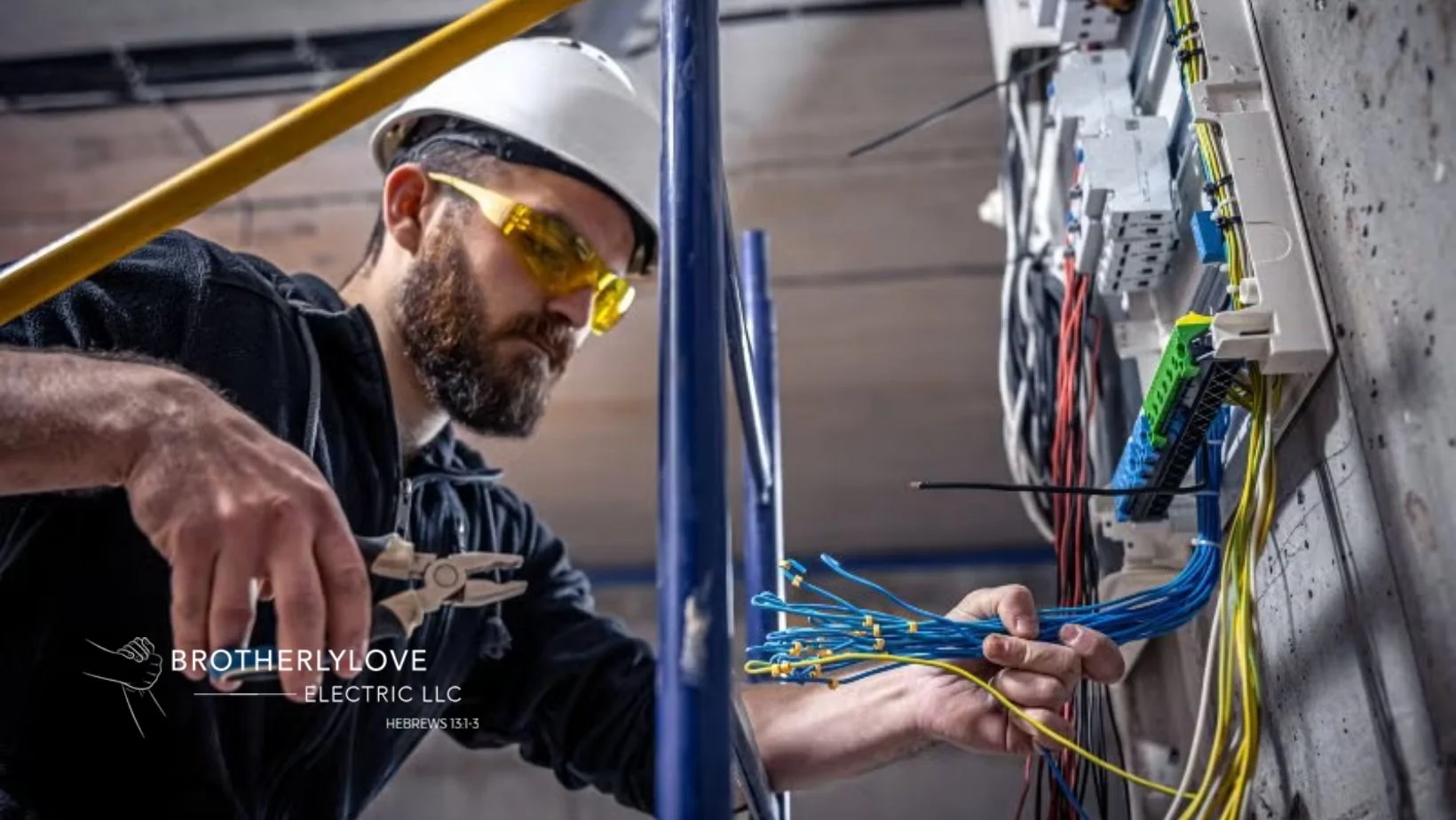
The path to becoming an electrical contractor typically starts with training as an electrician. Most electrical contractors begin their careers as licensed electricians, gaining substantial hands-on experience and building a deep understanding of electrical systems and standards. This practical experience is invaluable, as it forms the foundation for their future roles in project management and oversight.
In addition to technical training, aspiring electrical contractors need to develop business management skills. Many pursue further education in business administration, project management, or a related field. This additional training helps them acquire the skills necessary to run a contracting business, manage large projects, handle financial aspects, and navigate regulatory requirements.
Licensing for electrical contractors involves meeting more stringent criteria than for electricians. Contractors must demonstrate their capability to manage electrical projects safely and efficiently. This often includes obtaining additional certifications, such as a Master Electrician license, which requires extensive experience and a passing score on a rigorous exam. Contractors must also secure bonding and insurance to protect against liabilities and ensure compliance with local, state, and national regulations.
Scope of Work and Responsibilities
Electricians and electrical contractors play vital yet distinct roles in the electrical industry. Their responsibilities, though interconnected, span different aspects of electrical work, from hands-on tasks to comprehensive project management.
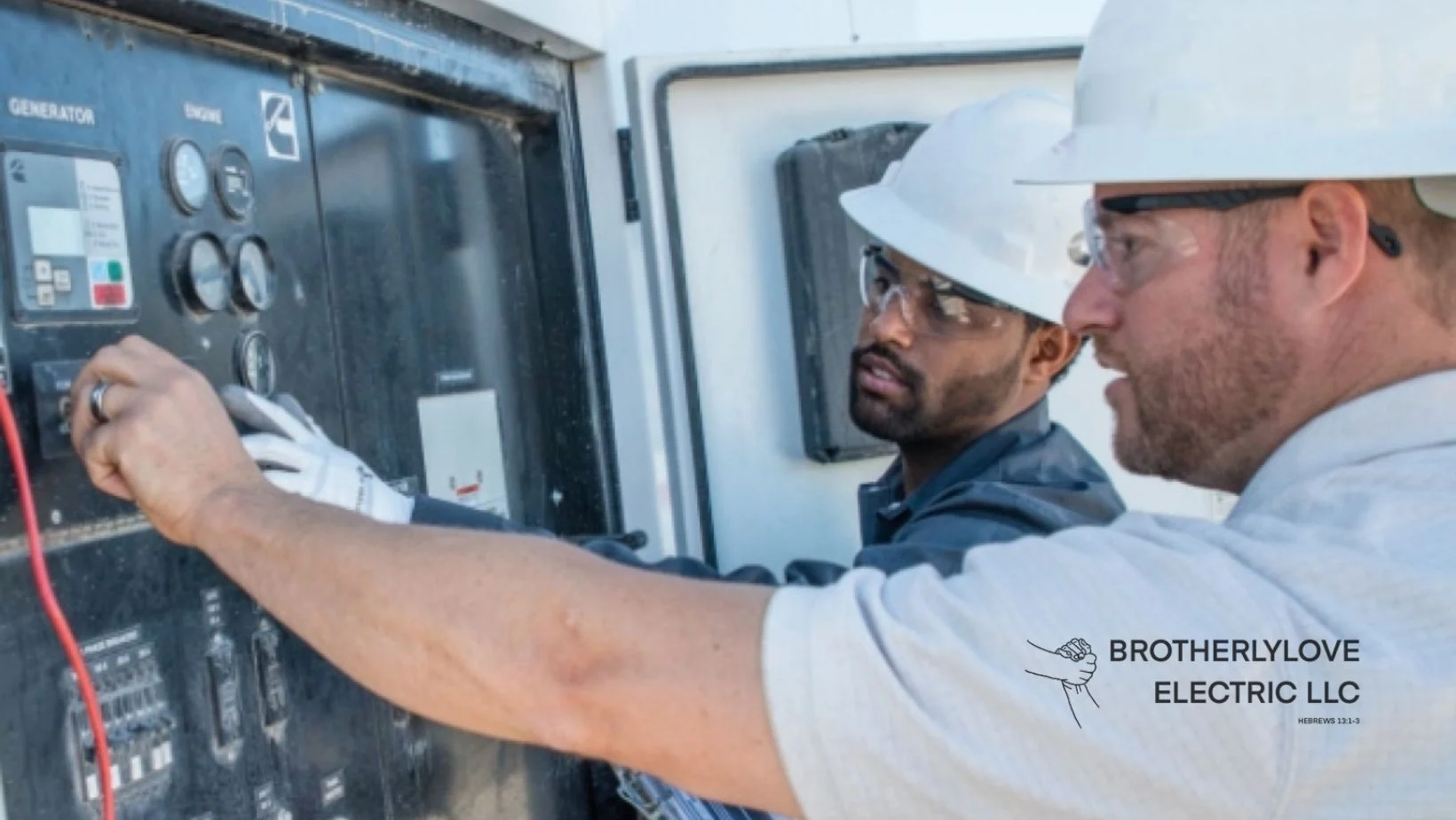
Electricians are the skilled tradespeople who perform the direct, hands-on work involving electrical systems. They are the ones who you will see installing wiring, setting up lighting fixtures, and ensuring that everything is safely connected and functioning. Their work is critical in a variety of settings:
Electricians’ daily responsibilities involve reading blueprints, running electrical wires, installing circuit breakers, and troubleshooting electrical issues. They must be adept with tools and knowledgeable about electrical theory and safety standards. Some electricians further specialize in areas like HVAC controls, fire alarm systems, or renewable energy, tailoring their skills to specific needs within the electrical field.
On the other hand, electrical contractors bring a broader, more managerial perspective to electrical projects. They often start their careers as electricians, gaining hands-on experience before moving into roles that require overseeing and coordinating entire projects. Their scope of work includes:
Educational Requirements and Training for Electrical Contractors
Understanding the employment dynamics and business operations of electricians and electrical contractors can help you make informed career choices or hiring decisions.
Career Opportunities and Job Stability for Electricians
Electricians have a variety of career paths available to them, each with its unique benefits and challenges. Many electricians start their careers working for established electrical contracting firms. These companies often handle large-scale projects, such as new construction, major renovations, or maintenance contracts for commercial properties. Working for a company can provide job stability, steady income, and opportunities for skill development under the guidance of experienced professionals.
On the other hand, some electricians opt to work independently. This path offers greater flexibility and the potential for higher earnings, but it also requires strong business skills. Independent electricians must market their services, manage client relationships, and handle administrative tasks like invoicing and compliance with local regulations. Success as an independent electrician often hinges on building a solid reputation for quality work and reliability.
Specialization is another avenue for electricians to advance their careers. By focusing on areas such as residential wiring, commercial electrical systems, machinery, or renewable energy installations, electricians can position themselves as experts in high-demand niches. Specialization not only enhances job stability but can also lead to higher pay and more significant career opportunities, such as supervisory or training roles.

Choosing the Right Professional for Your Needs
Selecting the right professional for your electrical needs depends on the scope and complexity of your project.
When to Hire an Electrician
For straightforward tasks, such as installing new outlets, fixing electrical issues, or adding new lighting fixtures, hiring an electrician is usually the best choice. Electricians are well-equipped to handle these jobs efficiently and safely, ensuring all work complies with current electrical codes and safety standards.
When to Hire an Electrical Contractor
For larger or more complex projects, such as new construction, major renovations, or commercial installations, an electrical contractor is the better choice. Contractors can manage the entire project, coordinating multiple electricians and other trades to ensure the work is completed on time and within budget. They also handle the necessary permits, inspections, and compliance with all regulatory requirements.
Tips for Selecting the Right Professional
When choosing between an electrician and an electrical contractor, consider the following tips:
Hire the Right Electrical Professional With Brotherlylove Electric
Understanding the difference between an electrician and an electrical contractor can help you choose the right team for the job. Some projects need skilled hands-on electrical work. Others require planning, permitting, code compliance, project management, and a licensed electrical contractor who can oversee the full scope from start to finish.
That is where Brotherlylove Electric comes in.
Our licensed and insured team helps homeowners and businesses with safe, reliable electrical repairs, installations, upgrades, troubleshooting, panel work, lighting, generator services, and larger electrical projects across Texas. Whether you are in Tomball, The Woodlands, Frisco, Plano, or the surrounding Houston and Dallas-Fort Worth areas, we bring the experience, oversight, and workmanship needed to get the job done right.
Need help deciding what your project requires? Contact Brotherlylove Electric today to schedule service with a trusted electrical contractor and team of electricians.



Related Posts

Upgrading your home’s electrical panel is a major decision that comes with real implications for safety, functionality, and long-term value. For homeowners in Houston and Dallas, especially those living in older houses or expanding their [...]

An outdated or undersized electrical panel can quietly undermine your home’s safety, efficiency, and future development. While many homeowners rarely think about their breaker box, it’s the heart of every electrical system. If you’ve been experiencing [...]

The cities of Houston and Dallas–Fort Worth are two of the most dynamic and fast-growing urban centers in the United States. With growing populations, expanding commercial sectors, and continuous development in both residential and infrastructure, the [...]